Introduction
Property owners in Modesto face a unique set of roofing challenges driven by Central California’s distinctive climate patterns and environmental conditions. The combination of intense summer heat, occasional winter moisture, and seasonal temperature fluctuations creates conditions that place extraordinary demands on roofing systems throughout the region. Understanding these challenges and recognizing the early warning signs of roof deterioration enables homeowners and commercial property managers to address issues before they escalate into costly structural problems or interior damage. Early detection of roofing problems represents one of the most effective strategies for protecting property value, maintaining building integrity, and avoiding the financial burden of emergency repairs or premature roof replacement. When property owners implement regular inspection protocols and respond quickly to visible signs of wear, they significantly reduce the likelihood of water intrusion, energy efficiency loss, and structural compromise that often accompanies neglected roofing systems.
Heat-related wear
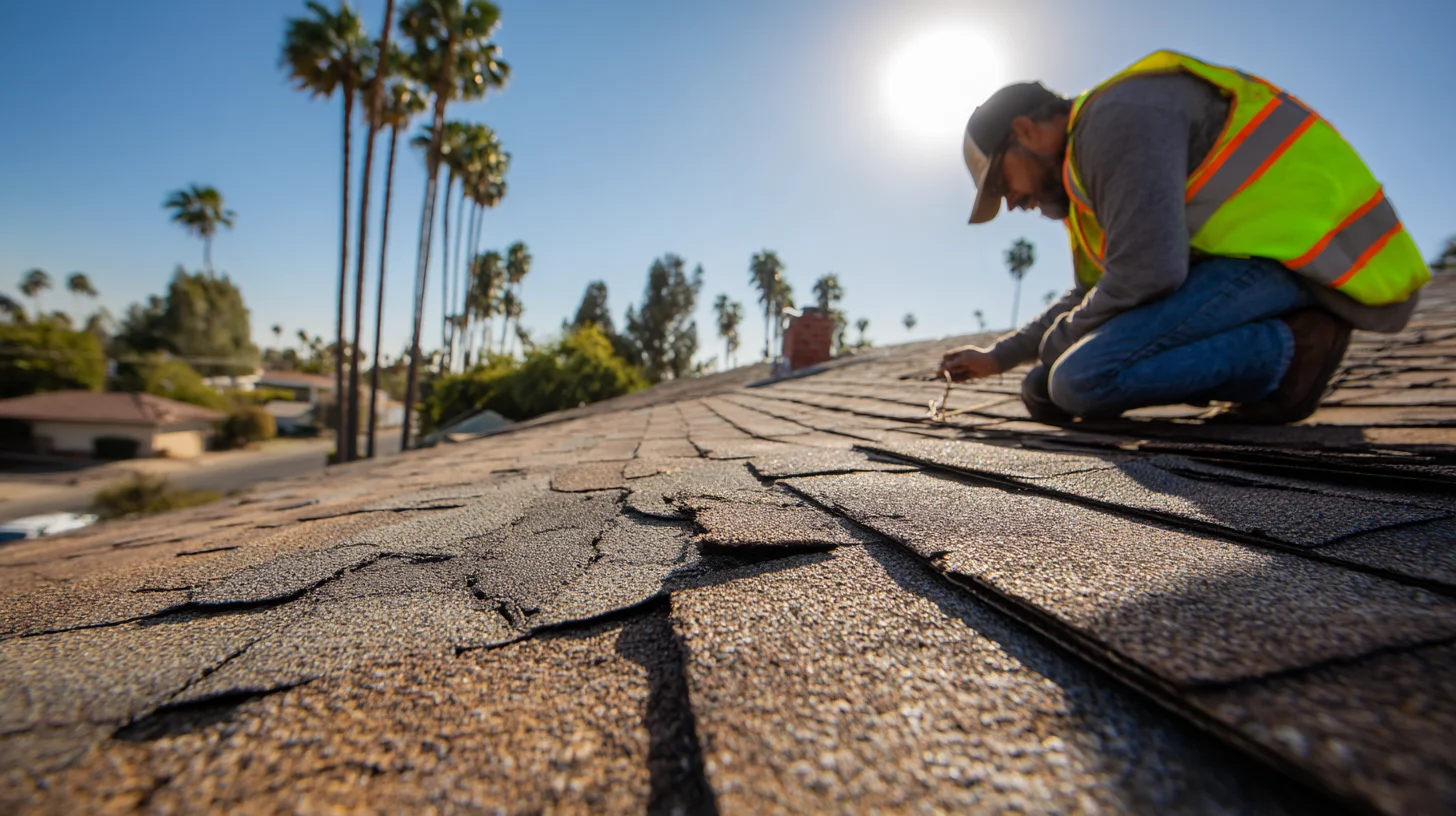
Modesto’s summer temperatures regularly exceed 95 degrees Fahrenheit, and roof surface temperatures can reach 150 degrees or higher during peak afternoon hours. This extreme heat exposure accelerates the aging process of roofing materials through multiple mechanisms that compound over time. According to California’s Title 24 energy code requirements, roofing materials must meet specific thermal emittance and solar reflectance standards to reduce heat absorption and improve energy efficiency. Asphalt shingles experience thermal cycling that causes the protective granules to loosen and separate from the underlying mat as the materials repeatedly expand and contract. The asphalt binders in composition shingles become brittle and lose their flexibility when subjected to sustained high temperatures, resulting in cracking, curling, and premature deterioration of the shingle edges. Dark-colored roofing materials absorb more solar radiation than lighter alternatives, which intensifies heat damage and reduces the expected service life of the roof system. Property owners often notice that shingles develop a cupped or wavy appearance as the corners lift away from the roof deck, and this condition progressively worsens with each successive summer season. The UV radiation component of sunlight also contributes to material degradation by breaking down the chemical bonds in roofing products, causing discoloration, surface chalking, and loss of waterproofing capabilities. Metal roofing components such as flashing, valleys, and trim pieces undergo similar thermal expansion cycles that can compromise their weathertight seals and create gaps where water penetration becomes possible. Professional contractors who specialize in Exterior Trades services understand how heat affects different roofing materials and recommend appropriate repair or replacement solutions based on the extent of thermal damage observed during inspections.
Shingle deterioration from heat exposure manifests in several distinct patterns that property owners can identify during visual roof inspections. Granule loss becomes evident when bare patches of asphalt backing material show through the protective mineral coating, and accumulation of granules in gutters and downspouts signals advanced shingle aging. The expansion and contraction issues affecting Modesto roofs occur daily as surface temperatures fluctuate between nighttime lows and daytime highs, creating mechanical stress within roofing assemblies. This repetitive movement causes fasteners to work loose, seams to separate, and adhesive bonds to fail over extended periods. Proper attic ventilation plays a critical role in moderating roof surface temperatures and extending material lifespan, as research from the Asphalt Roofing Manufacturers Association demonstrates that inadequate ventilation can lead to attic temperatures reaching 140 degrees Fahrenheit on 90-degree days.
Leak sources
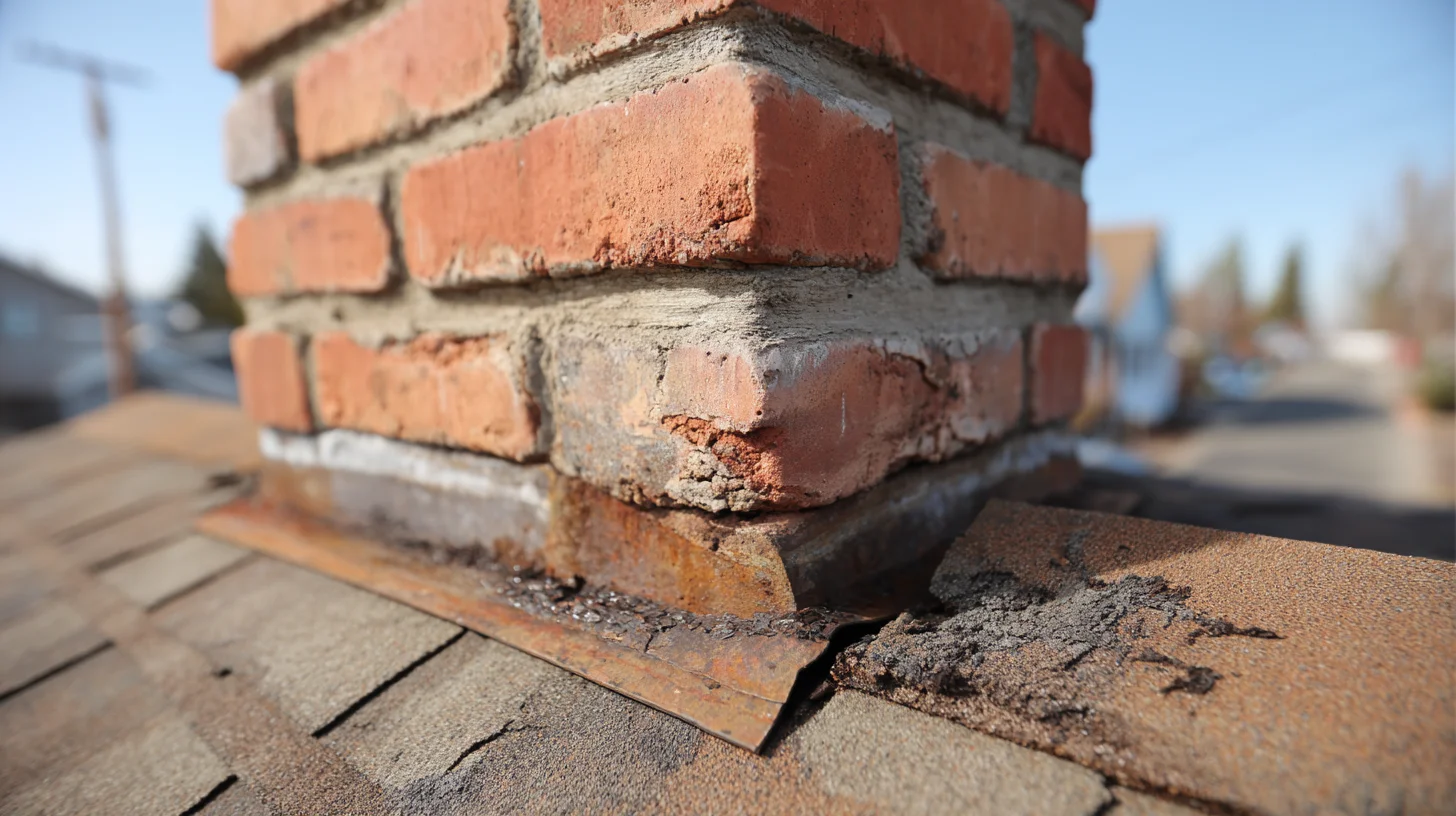
Roof leaks in Modesto properties typically originate from specific vulnerable areas where different roofing materials intersect or where penetrations interrupt the continuous weatherproof membrane. Flashing failures represent the most common source of water intrusion, as these thin metal components protect transitions between roofing planes, wall-to-roof connections, chimney surrounds, and skylight perimeters. The National Roofing Contractors Association guidelines provide detailed specifications for proper flashing installation and maintenance procedures that minimize leak potential. Metal flashing expands and contracts with temperature changes at rates different from surrounding roofing materials, which gradually loosens fasteners and opens gaps in the weatherproof barrier. Improperly installed flashing that lacks adequate overlap dimensions, correct fastening patterns, or appropriate sealant application will fail prematurely and allow water to migrate into vulnerable areas of the roof assembly. Step flashing along sidewall intersections must interweave with each course of shingles to create a shingled drainage plane, yet improper installation techniques often result in water traveling behind the flashing and entering wall cavities or interior spaces. Valley flashing requires particular attention because it channels high volumes of water runoff from converging roof planes, and any deficiency in material selection, installation technique, or maintenance creates leak pathways.
Damaged underlayment beneath the visible roofing surface compromises the secondary water barrier that protects roof decking when primary roofing materials fail. Underlayment deterioration occurs when moisture penetrates through damaged shingles, when improper installation leaves gaps in coverage, or when aging causes the membrane to crack and lose its waterproofing properties. Property managers seeking comprehensive Facilities Maintenance & Repairs services should prioritize contractors who understand the critical role underlayment plays in overall roof system performance. The adhesive seal between asphalt shingles and underlayment breaks down under heat exposure, creating pathways for wind-driven rain to infiltrate the roof assembly. Ice dam prevention requires proper ice and water barrier installation at eaves and valleys in regions that experience freezing conditions, though Modesto’s moderate winter climate reduces this concern compared to northern climates. Professional roof inspections include examination of underlayment condition through careful removal of sample shingles in strategic locations, allowing contractors to assess whether the secondary water barrier remains intact and functional.
Poor installation issues
Improper roofing installation represents a significant source of premature roof failure that affects both residential and commercial properties throughout Modesto. Misaligned shingles create an unprofessional appearance and compromise the roof system’s ability to shed water effectively, as proper shingle alignment ensures that each course overlaps the course below according to manufacturer specifications. When contractors fail to follow published installation guidelines from manufacturers like GAF or IKO, they void material warranties and expose property owners to increased leak risks. According to manufacturer warranty documentation, most roofing product warranties require adequate ventilation for coverage to remain valid, and insufficient ventilation or installer error are among the most common reasons for warranty claim rejections. Fastener placement directly affects shingle wind resistance and longevity, yet rushed installations often feature fasteners driven too high, too low, or at incorrect angles that reduce holding power. Overdriven nails crush the shingle material and create depressions where water can pool, while underdriven nails fail to secure shingles adequately against wind uplift forces. Incorrect exposure measurements result in shingles that reveal too much or too little of the underlying course, disrupting the intended water-shedding overlap and accelerating material degradation.
Ventilation problems stemming from installation deficiencies significantly impact roof system performance and building comfort levels throughout California’s Central Valley. Research indicates that inadequate attic ventilation can reduce shingle service life by 20-24 percent based on field experience from roofing contractors nationwide. Blocked soffit vents, insufficient ridge ventilation, or improperly balanced intake and exhaust systems prevent proper air circulation and allow heat and moisture to accumulate in attic spaces. When roofing contractors install insulation that blocks airflow pathways, cover existing vents during roof replacement, or fail to provide adequate ventilation area according to building code requirements, they create conditions that accelerate roofing material deterioration and increase energy costs. The temperature differential between properly ventilated and poorly ventilated attics can exceed 30 degrees, which directly impacts cooling system efficiency and occupant comfort during Modesto’s extended summer season. Proper ventilation system design requires careful calculation of net free vent area based on attic square footage, strategic placement of intake vents at soffits or lower roof areas, and exhaust vents at or near the ridge line to promote natural convective airflow.
Structural concerns
Sagging rooflines indicate serious structural problems that demand immediate professional evaluation and intervention from qualified contractors. Visible dips, waves, or depressions in roof planes signal that underlying structural components have lost their load-carrying capacity due to wood decay, insect damage, excessive loading, or inadequate original design. The roof framing system including rafters, trusses, and ridge beams must maintain sufficient strength to support the dead load of roofing materials plus live loads from snow, maintenance personnel, and equipment installations. When property owners delay addressing structural concerns, progressive deterioration can compromise building safety and lead to catastrophic roof collapse under adverse loading conditions. Professional structural assessments conducted by experienced contractors providing Structural & Safety services determine whether reinforcement, partial replacement, or complete reconstruction represents the appropriate remedy. Sagging conditions often develop gradually over years or decades, making periodic professional inspections essential for early detection before problems reach critical stages.
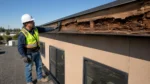
Moisture damage to roof decking and framing members results from prolonged exposure to water infiltration through failed roofing materials, condensation within improperly ventilated attics, or plumbing leaks that saturate structural wood. Wood rot caused by decay fungi destroys the cellular structure of lumber, dramatically reducing its strength and compromising its ability to hold fasteners securely. Dark staining on the underside of roof sheathing indicates past or ongoing moisture problems that require investigation to identify and eliminate the water source. Delamination of plywood or oriented strand board decking occurs when adhesive bonds between wood layers fail due to moisture exposure and cyclic wetting and drying. Mold growth on attic surfaces poses health concerns for building occupants and indicates excessive humidity levels that proper ventilation should control. Structural repairs necessitate removal of deteriorated wood components and replacement with new lumber that meets current building code requirements, along with correction of the underlying moisture source that caused the damage. Property owners should engage contractors experienced with both roofing systems and structural carpentry to ensure comprehensive resolution of moisture-related structural issues.
Repair options
Patch repairs offer cost-effective solutions for addressing localized roofing problems when overall roof condition remains sound and the damage affects limited areas. Contractors can replace individual damaged shingles, repair small sections of flashing, seal minor cracks in roof membranes, or address isolated leak sources without disturbing the entire roof system. Effective patch repairs require careful material matching to ensure color and texture consistency, proper integration with surrounding roofing components, and thorough sealing of all transitions and penetrations. Property owners should understand that patch repairs represent temporary or intermediate solutions that extend roof service life while deferring major replacement expenditures. The success of patch repairs depends heavily on accurate diagnosis of underlying problems, proper execution of repair techniques, and realistic expectations about the limited scope of work performed. Professional contractors offering Commercial Construction services can evaluate whether localized repairs will provide adequate protection or whether more extensive work is necessary. Multiple small repairs spread across a roof surface often indicate systemic deterioration that makes complete replacement more cost-effective than continued piecemeal patching.
Full replacement indicators help property owners determine when repair efforts no longer represent sound financial decisions and complete roof system replacement becomes necessary. Age exceeding 80 percent of the expected service life for the installed roofing materials suggests that replacement should receive serious consideration even if current problems appear minor. Widespread shingle deterioration characterized by extensive granule loss, curling, cracking, or brittleness across large roof areas signals that materials have reached the end of their useful lifespan. Recurring leak problems that persist despite multiple repair attempts indicate fundamental system failures that patching cannot adequately address. Structural damage to roof decking or framing members often necessitates complete tear-off and replacement to allow proper inspection and repair of damaged components. Energy efficiency concerns related to inadequate insulation, poor ventilation, or outdated roofing materials may justify replacement even when the existing roof remains marginally functional. Building sale or refinancing situations frequently require roof replacement to satisfy lender requirements or to enhance property marketability and value. Professional roof inspection reports provide objective assessment of remaining service life, current condition, and recommended action timing that guide property owners toward informed replacement decisions.
FAQ
What causes roof leaks in Modesto?
Roof leaks in Modesto most commonly result from failed flashing around chimneys, skylights, and wall intersections where different materials meet and create potential water entry points. Damaged or missing shingles allow rainwater to penetrate through gaps in the primary weather barrier directly to the underlayment and roof deck. Improper installation techniques including inadequate nail placement, insufficient sealant application, or incorrect material overlap create vulnerabilities that manifest as leaks during rain events. Thermal cycling from extreme temperature fluctuations causes sealants to crack, metal components to separate, and roofing materials to develop gaps that admit water. Accumulated debris in valleys and against chimneys dams water and forces it under shingles where it can migrate into the building envelope. Age-related deterioration of roofing materials reduces their waterproofing effectiveness and increases leak susceptibility as protective coatings wear away and materials become brittle.
How often should I inspect my roof?
Property owners should conduct visual roof inspections from ground level at least twice annually, typically in spring and fall, to identify obvious problems such as missing shingles, damaged flashing, or accumulated debris. Professional roof inspections by qualified contractors should occur every three to five years for newer roofs and annually for roofs approaching or exceeding 15 years of age. Storm damage inspections become necessary after severe weather events including high winds, hail, or heavy rainfall that may have compromised roofing integrity. Interior inspections of attic spaces should accompany exterior roof examinations to check for water stains, daylight penetration, or moisture damage indicators. Commercial property managers operating under preventative maintenance programs typically schedule professional roof inspections on annual or biannual cycles to support proactive repair planning. Properties with known roof vulnerabilities or histories of leak problems benefit from more frequent inspection intervals to monitor problem areas and implement timely interventions before minor issues escalate.
Can small roof issues be repaired quickly?
Small localized roof problems including individual shingle replacement, minor flashing repair, or sealant application can typically be addressed within hours by experienced roofing contractors once materials are available and weather conditions permit. Emergency leak repairs during active storms may require temporary waterproofing measures followed by permanent repairs when conditions improve. Scheduling availability affects repair timing, as busy contractors during peak seasons may require several days or weeks before performing minor repair work. Material procurement for specialty items or discontinued products can delay repairs when exact replacement components require special ordering. Weather restrictions prevent roofing work during rain, high winds, or extreme heat that compromises worker safety or material performance. Most reputable contractors prioritize leak repairs and safety hazards ahead of cosmetic issues to minimize property damage and liability exposure. Property owners can expedite small repairs by maintaining regular relationships with preferred contractors, documenting problems promptly, and authorizing work without delay once contractors provide cost estimates.
What is the lifespan of roofing materials?
Asphalt composition shingles typically provide 15 to 30 years of service life depending on quality grade, installation practices, climate exposure, and maintenance history, with architectural or dimensional shingles generally outlasting basic three-tab products. Metal roofing systems including standing seam, corrugated panels, or metal shingles commonly last 40 to 70 years when properly installed and maintained. Built-up roofing or modified bitumen systems on low-slope commercial roofs average 20 to 30 years before requiring replacement. Single-ply membrane roofing such as TPO, PVC, or EPDM delivers 20 to 30 years of performance on commercial applications. Clay or concrete tile roofing offers exceptional longevity of 50 to 100 years, though underlayment and flashing components require periodic replacement. Wood shake or shingle roofs provide 20 to 40 years of service when treated and maintained properly, though fire concerns limit their use in many California communities. Extreme heat exposure in Modesto reduces expected service life for all roofing materials compared to moderate climate regions.
Do insurance policies cover roof repairs?
Homeowners and commercial property insurance policies typically cover roof damage resulting from sudden, unexpected events classified as covered perils including wind, hail, falling objects, fire, or vandalism. Gradual deterioration from aging, lack of maintenance, or normal wear and tear generally falls outside policy coverage and represents the property owner’s financial responsibility. Storm damage claims require prompt reporting to insurance carriers, documentation through photographs and professional inspection reports, and submission of repair estimates from licensed contractors. Insurance adjusters evaluate claimed damage to determine whether it resulted from covered perils or from pre-existing conditions and normal aging processes that policy language excludes. Deductibles apply to most property insurance claims and reduce the net payment property owners receive for approved repairs. Some policies include actual cash value provisions that depreciate roof age when calculating claim settlements, while replacement cost coverage provides full repair or replacement funding without depreciation deductions. Property owners should review their insurance policies carefully, maintain documentation of roof maintenance and repairs, and consult with contractors experienced in insurance claim procedures when filing storm damage claims.
Conclusion
Addressing common roofing problems in Modesto requires property owners to understand the specific challenges posed by Central California’s climate while implementing proactive maintenance strategies that preserve roof system integrity. Regular professional inspections combined with prompt attention to developing issues prevent minor problems from escalating into costly structural damage or extensive water infiltration that threatens building contents and occupant safety. Heat-related wear, flashing failures, installation deficiencies, and structural concerns demand different repair approaches that qualified contractors can diagnose and remedy through appropriate interventions ranging from targeted patches to complete system replacement. The benefits of professional inspections extend beyond immediate problem identification to include expert guidance on maintenance priorities, repair timing, and cost-effective strategies for maximizing roof service life. Property owners who invest in ongoing roof care through scheduled inspections and timely repairs protect their property values, avoid emergency situations, and ensure that roofing systems deliver expected performance throughout their design service life. For comprehensive roofing solutions and expert guidance on maintaining Modesto properties, contact Highly Favored Contractors to schedule an inspection or request a free quote for your roofing needs.
More Services
For more information about services at Highly Favored Contractors, check them out below: