Introduction
Property owners in Modesto face important decisions when selecting roofing systems for their residential or commercial buildings. The choice between flat roofing and shingle roofing involves evaluating multiple factors including initial investment costs, long-term durability, maintenance requirements, energy efficiency, and aesthetic considerations. Each roofing type offers distinct advantages and presents specific challenges that must be understood within the context of Modesto’s climate conditions. The city’s hot, dry summers and mild, wet winters create unique environmental stresses that affect roofing material performance over time. Understanding these differences helps property owners make informed decisions aligned with their budget constraints, property requirements, and long-term maintenance capabilities. This comprehensive analysis examines both roofing systems to provide clarity on which option best serves specific property needs in the Modesto region.
The roofing industry has evolved significantly, with modern materials and installation techniques improving the performance of both flat and shingle roofing systems. According to California building code requirements, all roofing installations must meet specific standards for structural integrity, fire resistance, and weather protection. Property type significantly influences which roofing system proves most appropriate, as residential homes typically have different requirements than commercial warehouses, office buildings, or retail spaces. Commercial facilities often require roofs that can accommodate heavy equipment, provide easy access for maintenance personnel, and offer sufficient structural support for HVAC systems and other mechanical infrastructure. Residential properties prioritize weather protection, energy efficiency, curb appeal, and long-term value retention.
Flat Roofing Benefits
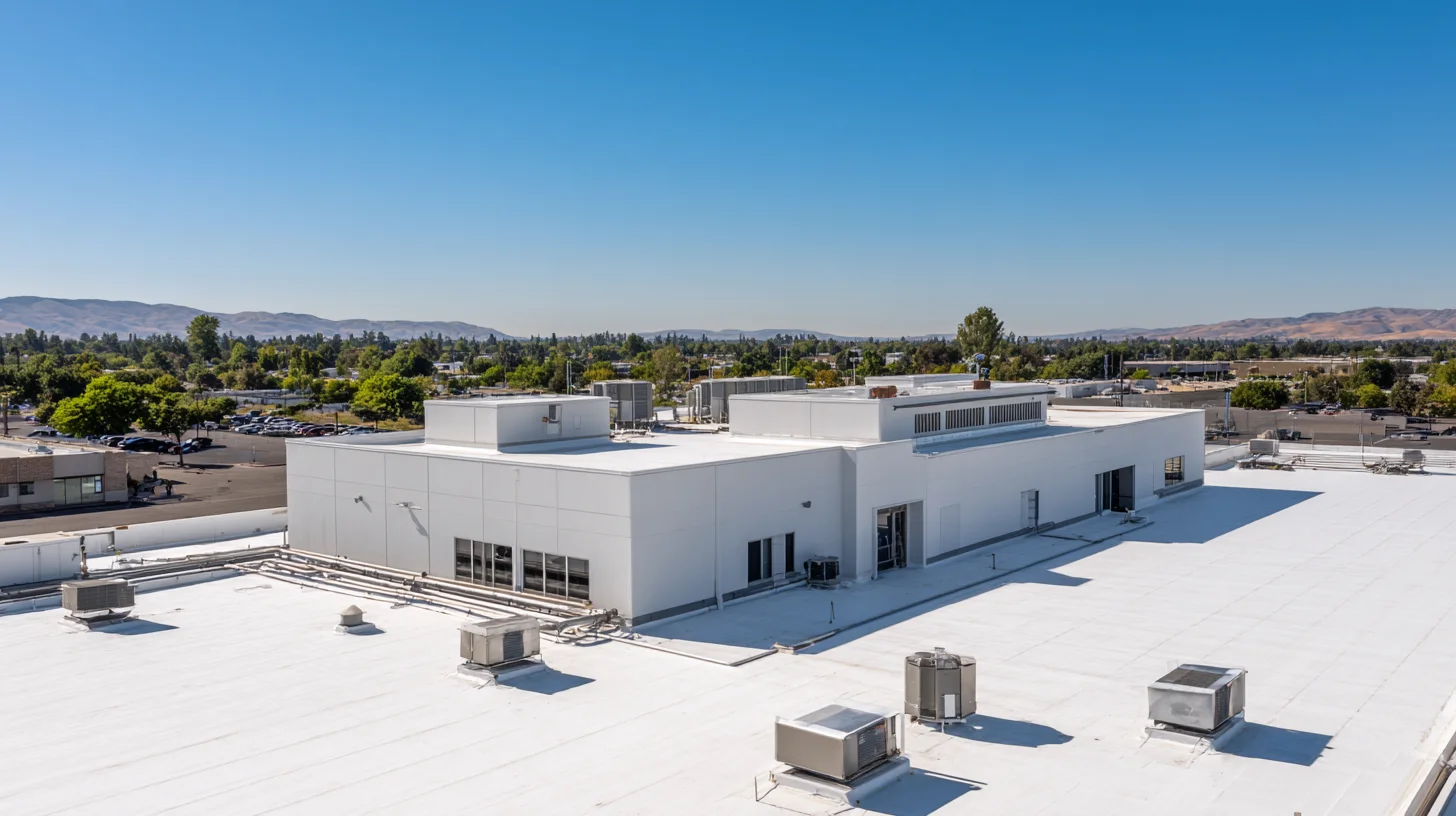
Flat roofing systems deliver substantial cost advantages compared to sloped alternatives, making them attractive for property owners working within tight budget parameters. The reduced material requirements and simpler installation process translate to lower upfront investment costs. Flat roofs require significantly less roofing membrane material per square foot of building coverage compared to pitched roofs, which must account for slope calculations that increase total surface area. Installation crews can complete flat roof projects more quickly because the horizontal work surface eliminates many safety concerns and physical challenges associated with steep-slope work. This efficiency reduces labor costs while maintaining high installation standards. For businesses seeking to maximize usable space, flat roofs provide opportunities to install rooftop equipment including HVAC systems, solar panels, and communications infrastructure without requiring separate ground-level installations that consume valuable property space. When properly designed with appropriate drainage systems, flat roofs can serve additional functions such as rooftop gardens, outdoor recreational areas, or equipment storage zones that would be impossible on sloped surfaces. For those interested in exploring Facilities Maintenance & Repairs services, flat roofs offer easier access for ongoing maintenance work.
Commercial properties particularly benefit from flat roofing configurations because these buildings often require frequent roof access for maintenance personnel servicing mechanical equipment. The horizontal surface provides safe, stable working conditions that reduce workplace injury risks and improve maintenance efficiency. Modern flat roofing membranes including TPO, PVC, and EPDM offer excellent durability and weather resistance when properly installed with adequate slope for water drainage. Research from commercial flat roofing maintenance studies indicates that regular maintenance can extend flat roof lifespans by up to 30 percent beyond manufacturer specifications. These roofing systems accommodate thermal expansion and contraction better than traditional materials, reducing stress-related damage during temperature fluctuations. For property managers overseeing multiple buildings, flat roofs simplify inspection procedures and maintenance scheduling because crews can safely walk the entire surface without specialized equipment or fall protection systems required for steep-slope work.
Flat Roofing Drawbacks
Despite their advantages, flat roofing systems present specific challenges that property owners must address through proper design and maintenance protocols. Drainage management represents the primary concern with flat roof installations, as water naturally accumulates on horizontal surfaces rather than shedding quickly like sloped roofs. Standing water, commonly referred to as ponding, can develop when drainage systems become blocked or when roof slopes prove inadequate for complete water evacuation. According to flat roof drainage system research, drainage repairs represent one of the most common maintenance issues, with costs ranging from $70 to $500 depending on the severity and complexity of the problem. Ponding water accelerates membrane deterioration, increases leak risks, and creates additional structural loads that roofs were not designed to support. Property owners must invest in regular drainage system maintenance including clearing debris from drains and scuppers, inspecting for proper water flow, and addressing any areas where water pools for extended periods after rainfall events.
Flat roof maintenance requirements typically exceed those of shingle roofs because membrane materials remain more susceptible to punctures, tears, and UV damage from continuous sun exposure. Walking traffic from maintenance personnel or debris impacts can compromise membrane integrity, creating leak pathways that require immediate attention. Modesto’s intense summer heat places additional stress on flat roofing materials, causing thermal cycling that degrades membranes over time. Regular professional inspections become essential for identifying small problems before they escalate into costly repairs or premature replacement needs. The lifespan of flat roofing systems generally ranges from 15 to 25 years depending on material quality and maintenance consistency, which may be shorter than premium shingle products offering 30-year or longer warranties. For comprehensive building protection, consider Structural & Safety services that address potential issues before they compromise building integrity.
Shingle Roofing Benefits
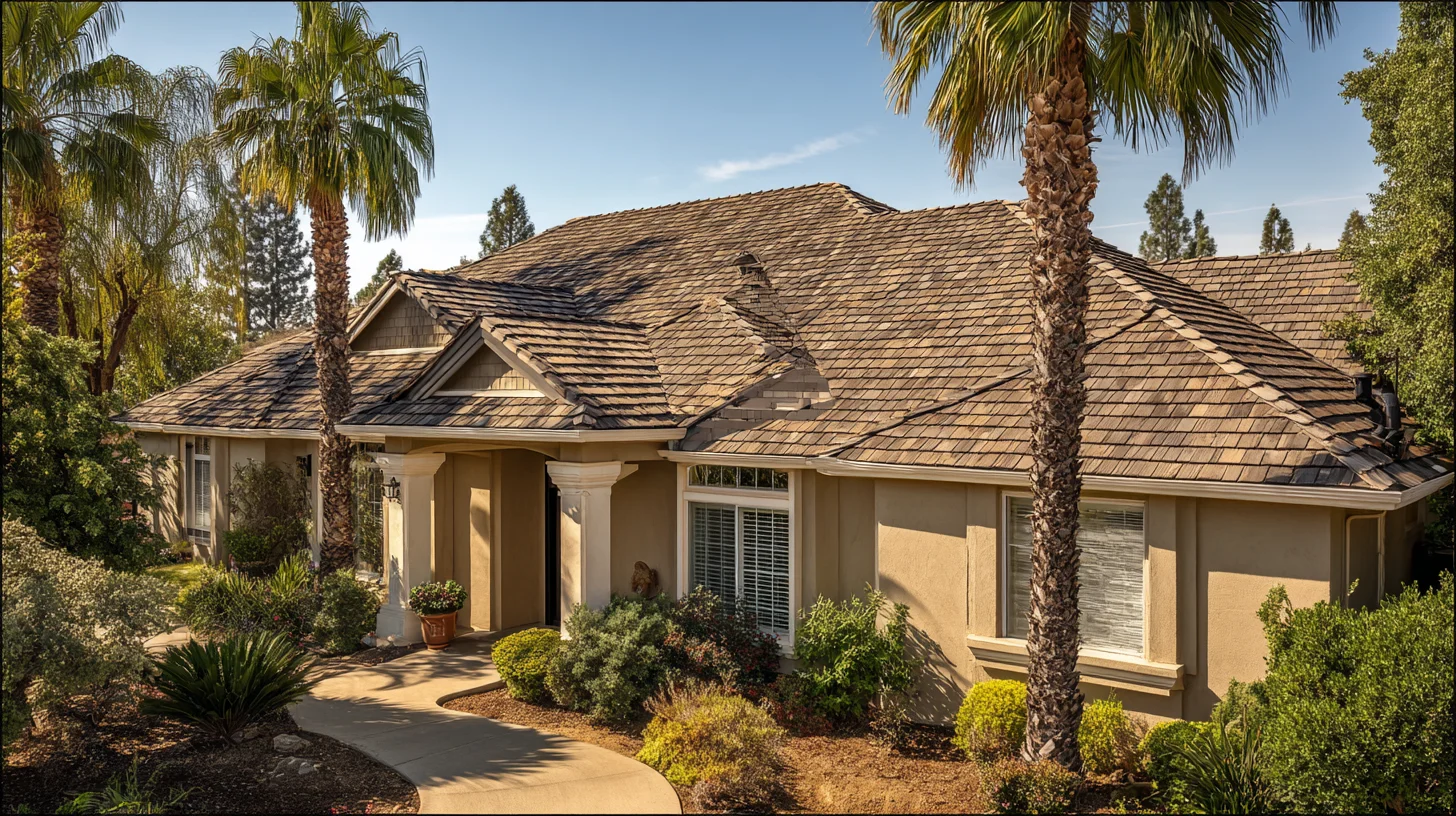
Shingle roofing systems have dominated residential construction for decades due to their proven durability, design versatility, and reliable weather protection capabilities. Modern asphalt shingles feature advanced engineering that delivers superior wind resistance, fire protection, and water shedding compared to older products. The sloped configuration inherent to shingle roof design facilitates rapid water drainage, virtually eliminating ponding concerns that plague flat roofs. According to asphalt shingle lifespan research, architectural shingles typically last 25 to 30 years with proper installation and maintenance, while premium designer shingles can exceed 40 years under favorable conditions. California building codes now require specific performance standards for roofing materials, with many jurisdictions mandating Class A fire ratings and specific Solar Reflectance Index values to meet energy efficiency requirements.
The aesthetic variety available with shingle roofing allows property owners to select colors, textures, and styles that complement architectural designs and neighborhood character. Manufacturers offer extensive color palettes ranging from traditional earth tones to contemporary grays and blues, enabling customization that enhances curb appeal and property values. Three-tab shingles provide economical solutions for budget-conscious projects, while architectural and designer shingles deliver dimensional appearance mimicking natural slate or wood shake materials. This design flexibility makes shingle roofing suitable for diverse architectural styles from traditional ranch homes to modern contemporary designs. Installation expertise for shingle roofing systems is widespread among local contractors, ensuring property owners have access to qualified professionals who understand proper installation techniques including underlayment application, flashing details, and ventilation requirements. Those seeking expert installation can explore Exterior Trades services for comprehensive roofing solutions.
Shingle Roofing Drawbacks
Despite their popularity, shingle roofing systems face specific challenges in hot climates like Modesto where intense solar radiation and elevated temperatures accelerate material degradation. Heat absorption by darker shingle colors can significantly increase attic temperatures, raising cooling costs and reducing shingle lifespans through thermal stress. Research from roofing material heat resistance studies shows that darker roofing materials can reach surface temperatures exceeding 160 degrees Fahrenheit during peak summer conditions, while lighter-colored materials may remain 20 to 30 degrees cooler. This heat exposure causes asphalt shingles to dry out, become brittle, and lose protective granules more rapidly than in moderate climates. Proper attic ventilation becomes critical for extending shingle lifespan by reducing heat buildup that literally cooks roofing materials from below. Property owners in California must consider cool roof requirements under Title 24 energy codes, which may mandate specific reflectance values for new installations or reroofing projects in certain climate zones.
Maintenance requirements for shingle roofs increase in areas with specific environmental conditions including high winds, debris accumulation, or moss growth. Regular inspections should identify damaged, missing, or curled shingles requiring replacement before water infiltration occurs. The sloped nature of shingle roofs complicates maintenance access compared to flat surfaces, requiring specialized equipment and safety measures for thorough inspections and repair work. Labor costs for shingle roof repairs typically exceed flat roof maintenance because technicians must work on angled surfaces with fall protection systems. Complex roof designs featuring multiple valleys, dormers, or penetrations increase both installation costs and future maintenance requirements compared to simpler roof geometries. Property owners should budget for periodic maintenance including gutter cleaning, flashing inspections, and seal checks around roof penetrations to prevent common leak sources. Professional Restoration & Cleaning services can help maintain roof appearance and functionality through regular professional care.
Choosing Based on Property Needs
Budget considerations represent a primary factor influencing roofing system selection, with property owners needing to balance upfront costs against long-term value and maintenance expenses. Flat roofing systems generally offer lower initial installation costs, making them attractive for commercial properties where cost per square foot becomes critical for project feasibility. A typical commercial flat roof installation in the Modesto area ranges from $4 to $11 per square foot depending on membrane type and installation complexity, while residential shingle roofs may cost between $3.75 to $7 per square foot for standard materials. However, these initial cost differences must be evaluated against expected lifespan and maintenance requirements over the roof’s service life. Premium architectural shingles with 30-year warranties may prove more economical than repeatedly replacing shorter-lived flat roofing membranes every 15 to 20 years. Property owners should request detailed cost projections including installation, anticipated maintenance, and expected replacement cycles to make accurate financial comparisons between roofing systems.
Aesthetic preferences play significant roles in residential roofing decisions where curb appeal directly influences property values and neighborhood integration. Homeowners associations may establish specific requirements or restrictions regarding roofing materials, colors, or styles that limit available options. Shingle roofing delivers superior aesthetic variety for residential applications where visible roof surfaces contribute to overall architectural character. Commercial properties prioritize functionality over appearance, although modern commercial buildings increasingly incorporate architectural elements where roof visibility matters for brand identity and building appeal. According to commercial roofing aesthetic research, a well-designed roof enhances property professionalism and can positively influence customer perceptions. Building function determines practical requirements including roof access needs, equipment mounting requirements, and usable space considerations. Warehouses, retail centers, and industrial facilities benefit from flat roof configurations that accommodate mechanical systems and provide maintenance access. Residential properties and office buildings where roof access remains minimal may prefer sloped shingle systems offering superior water management and traditional appearance. For properties requiring multiple service integrations, Mechanical, Electrical & Plumbing coordination ensures proper roof penetration design and equipment installation.
Frequently Asked Questions
Which roof lasts longer?
Shingle roofs generally outlast flat roofing systems when comparing standard products in typical conditions. Premium architectural shingles routinely achieve 25 to 30 year lifespans with proper maintenance, while designer shingles can exceed 40 years under favorable circumstances. Flat roofing membranes including TPO, PVC, and EPDM typically last 15 to 25 years depending on material quality, installation craftsmanship, and maintenance consistency. However, these lifespan estimates vary significantly based on climate conditions, maintenance practices, and initial installation quality. Regular professional inspections and prompt repairs extend both roofing types beyond average expectations.
Are flat roofs more likely to leak?
Flat roofs face higher leak risks primarily due to drainage challenges and water accumulation potential compared to sloped shingle systems. The horizontal or low-slope configuration prevents rapid water evacuation, allowing moisture to find membrane weaknesses or penetration points. Ponding water that remains on flat surfaces for extended periods increases hydrostatic pressure against membrane seams and penetrations, creating leak pathways that would not exist with proper drainage. However, properly designed flat roofs with adequate slope, functional drainage systems, and regular maintenance perform reliably without excessive leak problems. The key difference lies in drainage management requirements rather than inherent material deficiencies.
What roofing type is best for businesses?
Commercial businesses typically benefit most from flat roofing systems due to practical advantages including lower installation costs, equipment accommodation capabilities, and maintenance accessibility. Large commercial buildings require substantial roof surface areas where flat roofing cost efficiency becomes significant compared to shingle alternatives. The horizontal work surface facilitates equipment installation and routine maintenance activities without specialized fall protection or access equipment. Businesses operating retail spaces, offices, warehouses, or industrial facilities find flat roofs optimal for their operational needs. However, smaller commercial buildings or those prioritizing aesthetic appeal may prefer shingle roofing systems that better match surrounding architecture or enhance brand image through distinctive appearance.
How do climate conditions affect roof choices?
Modesto’s hot, dry climate significantly influences roofing material performance and selection criteria for both residential and commercial applications. Intense summer heat accelerates asphalt shingle aging through UV degradation and thermal cycling, potentially reducing expected lifespans compared to moderate climate regions. Cool roof requirements under California Title 24 regulations mandate specific reflectance values for certain building types and climate zones, affecting material selection options. Flat roofing membranes including white TPO and PVC offer superior heat reflection compared to darker materials, reducing building cooling loads while extending membrane service life. Proper roof ventilation becomes critical in hot climates to prevent heat buildup that damages roofing materials from below.
Can you replace shingles with a flat roofing system?
Converting from shingle roofing to flat roofing requires substantial structural modifications including roof framing changes, drainage system installation, and building code compliance verification. The existing sloped roof structure designed for shingle applications cannot simply receive flat roofing membranes without addressing fundamental drainage and structural concerns. Property owners considering such conversions must evaluate whether the conversion cost justifies potential benefits compared to simply replacing existing shingles with modern materials. Most conversion projects prove economically impractical unless combined with major renovations or expansions that already require extensive roof reconstruction. Professional structural engineering assessment determines feasibility and identifies required modifications for safe, code-compliant conversions between roofing system types.
Conclusion
Selecting between flat roofing and shingle roofing systems requires careful evaluation of property type, budget parameters, maintenance capabilities, and aesthetic preferences. Commercial properties generally benefit from flat roofing’s cost efficiency, equipment accommodation, and maintenance accessibility, while residential buildings often prefer shingle systems offering superior durability, design variety, and traditional appearance. Modesto’s climate conditions demand special attention to heat resistance, drainage management, and cool roof requirements that influence material selection and installation practices. Property owners should consult qualified roofing professionals who understand local building codes, climate challenges, and material performance characteristics. Professional evaluation identifies optimal roofing solutions aligned with specific property needs while ensuring code compliance and long-term performance reliability. Whether choosing flat or shingle roofing, proper installation quality and consistent maintenance practices determine ultimate system success. For comprehensive property solutions, explore Commercial Construction and Residential Construction services that deliver expert craftsmanship and reliable results.
More Services
For more information about contractor services at Highly Favored Contractors, check them out below: