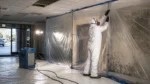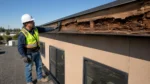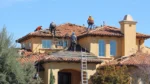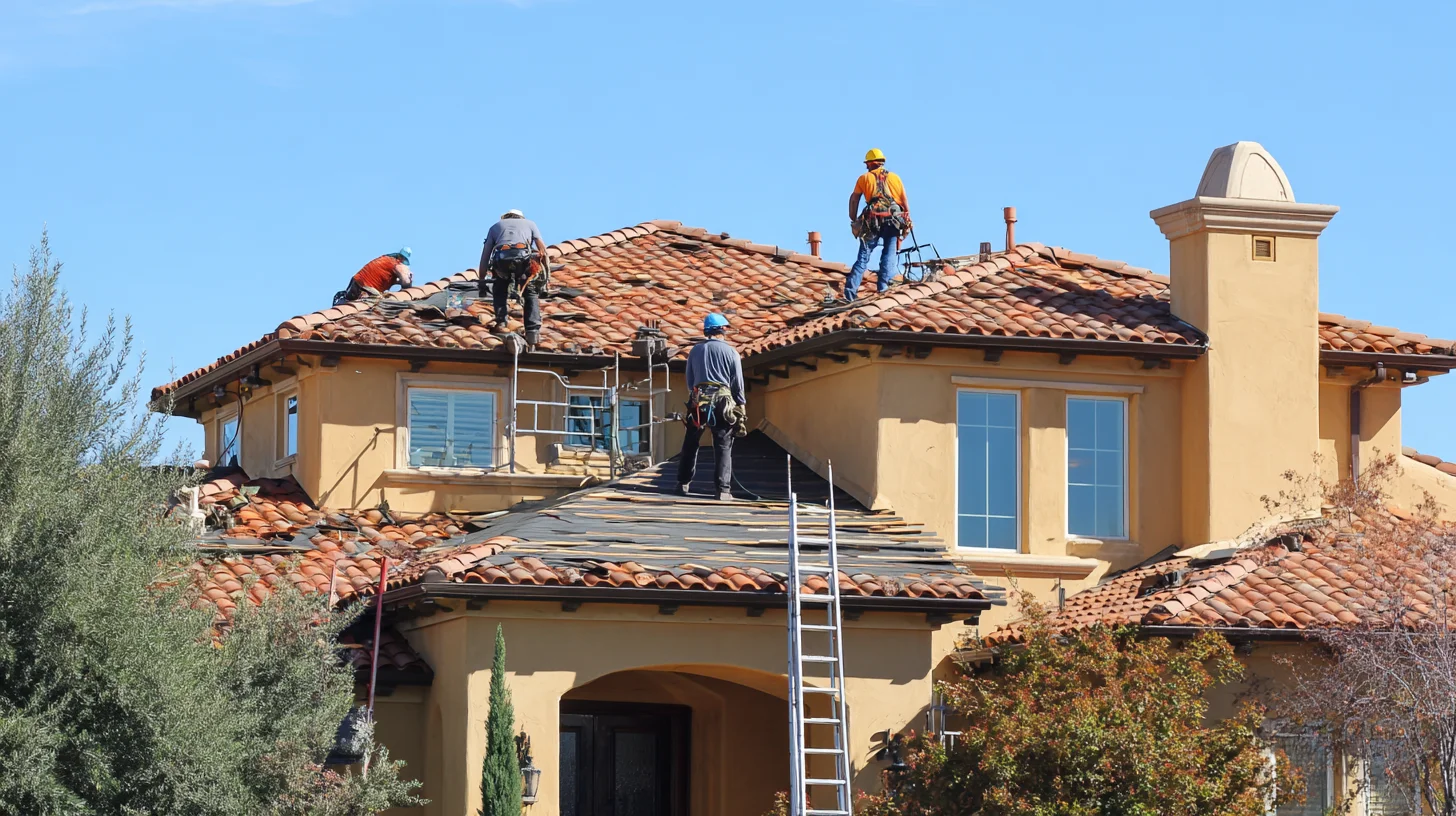
Selecting a qualified roofing contractor represents one of the most critical decisions homeowners and commercial property managers in Modesto will make regarding their property. The condition and integrity of a roof directly impact structural safety, energy efficiency, property value, and long-term maintenance costs. Working with an experienced, licensed, and properly insured contractor ensures that roofing projects meet industry standards, comply with local building codes, and deliver lasting protection against California’s challenging climate conditions. Conversely, choosing an unlicensed or inexperienced provider exposes property owners to significant risks, including substandard workmanship, code violations, voided warranties, potential liability issues, and costly repairs that often exceed the initial investment.
The roofing industry in Modesto serves both residential neighborhoods and commercial districts, where extreme summer heat, occasional winter storms, and intense UV exposure place unique demands on roofing systems. Understanding how to evaluate contractors, verify credentials, and identify red flags protects property owners from common pitfalls while ensuring their investment delivers decades of reliable performance. This comprehensive guide provides the essential framework for making informed decisions when selecting roofing contractors in the Modesto area, covering everything from license verification to warranty policies and local climate considerations.
Key Qualities to Look For
The foundation of any successful roofing project begins with verifying that contractors hold proper licensing and insurance coverage. In California, roofing contractors must obtain a C-39 Roofing Contractor license from the Contractors State License Board, which requires four years of journey-level experience, passing both law and trade examinations, and maintaining a surety bond. Property owners should request license numbers and verify active status through the CSLB website, checking for any disciplinary actions, complaints, or expired credentials. Beyond licensing, comprehensive insurance coverage protects property owners from liability if workers suffer injuries on site or if property damage occurs during installation. Contractors should carry both general liability insurance and workers’ compensation coverage, providing certificates of insurance that list specific policy details, coverage amounts, and expiration dates.
Experience with Modesto roof types matters significantly because local climate conditions, building codes, and architectural styles demand specialized knowledge. Contractors familiar with the Central Valley climate understand how extreme temperature fluctuations affect material selection, how proper ventilation prevents heat buildup in attics, and which installation techniques withstand both scorching summers and occasional heavy winter rains. They recognize that asphalt shingles deteriorate faster under intense UV exposure, that metal roofing systems require specific expansion joint details for thermal movement, and that flat commercial roofs need enhanced drainage solutions to handle Modesto’s seasonal precipitation patterns. Established local contractors maintain relationships with building inspectors, understand regional permit requirements, and source materials from suppliers who stock products suited to California conditions. Their experience extends to navigating homeowners association requirements, coordinating with insurance adjusters for storm damage claims, and recommending appropriate Exterior Trades solutions that complement overall property aesthetics while delivering superior weather protection.
Questions to Ask Before Hiring
Thorough contractor vetting begins with detailed questions about warranty and service policies that protect property owners long after installation completes. Quality contractors offer comprehensive workmanship warranties that cover installation errors, material defects, and structural failures for specified periods, typically ranging from two to twenty-five years depending on project scope and materials used. Property owners should request written warranty documents that clearly define coverage parameters, exclusions, claim procedures, and whether warranties transfer to subsequent owners if the property sells. Understanding the distinction between manufacturer material warranties and contractor workmanship warranties proves essential, as roofing warranty coverage typically involves separate protections for product defects versus installation quality. Reputable contractors explain exactly what their workmanship warranty covers, including labor costs for repairs, replacement materials, and whether they include protection for interior damage caused by roofing failures.
Project timeline expectations require detailed discussion to align contractor schedules with property owner needs and weather considerations. Professional contractors provide realistic timeframes that account for permit acquisition, material delivery, weather delays, and inspection requirements, avoiding unrealistic promises that signal inexperience or desperation for work. They explain the typical project phases, from initial tearoff and debris removal through underlayment installation, shingle or membrane application, flashing details, and final cleanup. Understanding timeline expectations allows property owners to coordinate with other trades, arrange for temporary accommodations if residential projects require significant disruption, and plan for business continuity if commercial roofing work affects operations. Contractors should also discuss their communication protocols, specifying how they provide progress updates, handle change orders, and address unexpected discoveries like hidden structural damage or code compliance issues. Questions about previous projects, client references, and photo documentation of completed work reveal contractor experience and quality standards. Asking for references from projects completed within the past year provides current insights into customer satisfaction, communication effectiveness, and how well contractors stand behind their work after project completion.
Comparing Multiple Contractors
Effective contractor comparison requires evaluating quotes beyond simple price consideration, examining the comprehensive value proposition each contractor offers. Detailed written estimates should itemize all project components, including materials specifications, labor costs, permit fees, disposal charges, and timeline commitments, allowing property owners to compare equivalent scope across different bidders. Significant price disparities often indicate variations in material quality, warranty coverage, project scope, or contractor overhead and profit margins. The lowest bid frequently correlates with corners cut through inferior materials, rushed installation, inadequate insurance coverage, or contractors struggling to maintain business viability. Conversely, the highest bid does not automatically guarantee superior quality, potentially reflecting inefficient operations, excessive overhead, or contractors unfamiliar with competitive local pricing. Smart comparison focuses on value alignment, where project specifications, warranty terms, contractor experience, and pricing create optimal balance for specific property needs.
Reviewing previous work provides tangible evidence of contractor capabilities, craftsmanship standards, and attention to detail. Visiting completed projects in person, when possible, reveals installation quality that photographs cannot fully convey, showing how well contractors handle flashing details around chimneys and vents, how cleanly they finish ridge caps and valleys, and whether installation appears uniform and professional. Online reviews from platforms like Google, Yelp, and the Better Business Bureau offer additional perspective, though property owners should read beyond star ratings to understand specific praise or complaints. Patterns in reviews provide more valuable insights than isolated incidents, revealing whether contractors consistently deliver quality work, communicate effectively, resolve problems promptly, and honor warranty commitments. When reviewing multiple contractors, property owners benefit from creating comparison spreadsheets that track licensing status, insurance coverage, warranty terms, timeline estimates, total project costs, and reference check results. This systematic approach prevents emotional decision-making while ensuring all critical factors receive appropriate weight in the final selection process.
Red Flags to Avoid
Lack of documentation represents one of the most serious warning signs when evaluating roofing contractors. Professional contractors provide detailed written proposals that specify materials by brand and model number, outline complete scope of work, define payment schedules, establish project timelines, and include warranty information. Contractors who resist providing written estimates, offer only verbal agreements, or present vague proposals lacking specific details often fail to maintain professional business practices or intentionally avoid creating accountability trails. Missing or inadequate insurance documentation similarly signals potential problems, as contractors operating without proper coverage expose property owners to significant liability if accidents occur on site. Property owners should never accept verbal assurances about insurance coverage without verifying current certificates of insurance directly with insurance providers. Contractors unable or unwilling to provide license numbers, business addresses, or verifiable references demonstrate unprofessional operations that smart property owners avoid regardless of attractive pricing.
Extremely low pricing compared to multiple competitive bids almost always indicates problems that manifest during or after project completion. Contractors offering prices substantially below market rates typically achieve these savings through substandard materials, inexperienced labor, inadequate insurance coverage, unpaid taxes or workers’ compensation obligations, or intentionally underestimating project scope to secure contracts. These contractors frequently demand payment changes midproject, claiming unexpected conditions require additional fees, or they abandon projects entirely when low bids prove unprofitable. High-pressure sales tactics, demands for large upfront payments, and claims that special pricing expires immediately all represent manipulative strategies that reputable contractors never employ. Property owners should particularly beware of storm chasers who appear after weather events, offering immediate repairs at discounted rates, as these transient operators often perform substandard work and disappear before problems emerge. Legitimate contractors understand that quality roofing projects require careful planning, proper permitting, and sufficient time for professional execution, never rushing property owners into hasty decisions they later regret.

Local Considerations in Modesto
Modesto’s unique climate presents specific challenges that experienced local roofing contractors understand and address through appropriate material selection and installation techniques. The Central Valley experiences hot, arid summers and mild winters, with temperatures regularly exceeding 95°F during summer months and occasional winter storms bringing significant precipitation. This climate pattern creates thermal cycling that causes roofing materials to expand during heat and contract in cooler temperatures, placing stress on fasteners, seams, and flashing details. Contractors experienced with Modesto conditions select materials rated for high-temperature performance, install proper underlayment to protect against UV degradation, and ensure adequate attic ventilation to prevent heat buildup that accelerates shingle deterioration. They recognize that reflective roofing materials and cool roof coatings provide energy efficiency benefits by reducing heat absorption, lowering cooling costs, and extending roof lifespan in this sun-intense region.
Common roofing materials in Modesto reflect both climate suitability and architectural preferences prevalent in the area. Asphalt composition shingles remain the most popular residential roofing choice, offering good performance when properly installed with quality underlayment and adequate ventilation systems. However, contractors familiar with local conditions often recommend premium architectural shingles with higher wind ratings and enhanced UV resistance rather than basic three-tab shingles that deteriorate more quickly under intense sun exposure. Metal roofing systems gain popularity for both residential and commercial applications, providing excellent durability, fire resistance, and energy efficiency through reflective finishes. Clay and concrete tile roofing suits Spanish and Mediterranean architectural styles common in the region while delivering exceptional longevity and weather resistance. For commercial buildings, single-ply membrane systems like TPO and PVC offer superior performance for flat or low-slope roofs, combining heat-reflective properties with strong waterproofing capabilities. Experienced contractors guide property owners toward materials that balance upfront costs with long-term performance, ensuring roofing investments deliver optimal value under Modesto’s demanding climate conditions. Property owners seeking comprehensive Facilities Maintenance & Repairs benefit from contractors who understand how roofing integrates with overall building systems.
FAQ
What is the average cost of hiring a roofing contractor?
Roofing project costs in Modesto vary significantly based on roof size, material selection, project complexity, and existing roof condition. Residential asphalt shingle replacement typically ranges from $5,000 to $15,000 for average-sized homes, while premium materials like metal roofing or tile can cost $15,000 to $30,000 or more. Commercial roofing projects operate on per-square-foot pricing, generally ranging from $4 to $12 per square foot depending on membrane type, insulation requirements, and building height. These estimates include material costs, labor, disposal fees, and basic permits, though properties requiring structural repairs, extensive decking replacement, or complex architectural details incur additional expenses. Smart property owners obtain multiple detailed written estimates to understand local pricing ranges while recognizing that the lowest bid rarely delivers the best long-term value. Contractors should explain cost breakdowns clearly, identifying how material quality, warranty coverage, and installation techniques justify their pricing. Property owners should also inquire about financing options, seasonal promotions, and whether contractors offer payment plans that spread costs over time without compromising project quality or warranty coverage.
How long does a typical roofing project take?
Project duration depends heavily on roof size, complexity, weather conditions, and crew size, with most residential reroof projects completing within two to five days once work begins. Single-story homes with straightforward gable roofs and easy access typically finish faster than multi-story properties with complex hip roofs, multiple valleys, numerous penetrations, or limited staging areas. However, the total timeline from contract signing to project completion extends considerably longer when accounting for permit acquisition, material ordering, weather delays, and inspection scheduling. Contractors typically schedule projects two to six weeks after contract signing, depending on seasonal demand and material availability. Commercial roofing projects require longer timeframes, often lasting one to several weeks depending on building size, roof type, and whether work must occur during specific hours to minimize business disruption. Weather significantly impacts scheduling, as roofing work cannot proceed safely during rain, high winds, or extreme temperatures. Professional contractors provide realistic timeline estimates, explain potential delay factors, maintain clear communication about schedule changes, and coordinate efficiently to minimize disruption while ensuring quality installation that meets all code requirements and manufacturer specifications.
Should I repair or replace my roof?
This decision depends on roof age, extent of damage, overall condition, and long-term property plans, with several key factors guiding the choice. Roofs in the final quarter of their expected lifespan, typically showing widespread deterioration, missing shingles, or multiple leak locations, usually warrant replacement rather than continued repairs that prove increasingly costly and less effective. However, relatively new roofs suffering localized damage from storm events, falling debris, or isolated installation defects often benefit from targeted repairs that restore full functionality at fraction of replacement costs. Property owners should consider repair costs relative to replacement pricing, recognizing that repairs exceeding 30 percent of replacement costs rarely represent sound investments. The scope of underlying damage also matters significantly, as visible surface problems frequently indicate hidden structural issues, deteriorated decking, or compromised underlayment that repairs cannot adequately address. Professional roofing inspections provide objective assessments of roof condition, remaining lifespan, and whether repairs or replacement better serve property owner interests. Contractors should present honest recommendations supported by photographic documentation, explaining how their advice serves long-term property protection rather than maximizing immediate revenue. Property owners planning to sell within several years might prioritize cost-effective repairs that maintain marketability, while those intending long-term ownership typically benefit from investing in complete replacement that delivers decades of trouble-free performance.
How do I check contractor licensing in California?
California property owners can verify roofing contractor licensing through the Contractors State License Board online database at cslb.ca.gov, which provides free public access to comprehensive licensing information. The search function accepts either contractor business names or license numbers, returning detailed records that show license status, classification, issue dates, expiration dates, and any disciplinary actions or complaints filed against the contractor. Active licenses display clearly, while expired, suspended, or revoked licenses receive prominent warnings that property owners should heed seriously. The database also shows contractor bond status, workers’ compensation insurance information, and personnel of record including owners and qualifying individuals responsible for technical competence. Property owners should verify that contractors hold active C-39 classification specifically for roofing work, as other license types do not authorize roofing projects regardless of contractor claims. The CSLB website additionally offers resources explaining contractor licensing requirements, consumer rights, proper contract elements, and complaint filing procedures if disputes arise. Property owners uncertain about licensing status or legitimacy of contractor claims can contact CSLB directly via phone at 800-321-CSLB for verification assistance. This due diligence takes only minutes but provides critical protection against unlicensed operators who lack proper training, insurance, and accountability mechanisms that legitimate contractors maintain.
Do roofing companies offer financing?
Many established roofing contractors partner with financing companies to offer payment plans that help property owners manage significant roofing investments without depleting savings or emergency funds. These financing options typically include traditional installment loans with fixed monthly payments over terms ranging from 12 to 84 months, with interest rates varying based on creditworthiness and loan terms. Some contractors offer promotional financing with deferred interest or zero-percent financing for qualified buyers during specific periods, though property owners should read terms carefully to understand when promotional rates expire and standard rates apply. Home equity lines of credit represent another financing avenue, often providing lower interest rates than contractor financing because they secure against property value, though this option requires sufficient equity and acceptance of lien placement. Property owners should compare financing terms across multiple sources, including contractor programs, personal banks, credit unions, and home equity options, evaluating interest rates, fees, payment flexibility, and prepayment penalties. Contractors offering in-house financing should provide clear written terms, explain total costs including interest, and never pressure property owners into financing decisions without adequate time for consideration and comparison. Some property owners prefer paying cash when possible to avoid interest charges, while others value preserving liquidity for emergencies even if financing incurs modest costs. The right choice depends on individual financial circumstances, interest rates available, and whether financing terms align with personal budget management preferences.
Conclusion
Selecting the right roofing contractor in Modesto requires careful evaluation of multiple critical factors that collectively determine project success and long-term satisfaction. Property owners who invest time verifying contractor licensing, confirming comprehensive insurance coverage, reviewing previous work quality, and checking references significantly reduce risks associated with roofing projects. Understanding the distinction between manufacturer warranties and contractor workmanship guarantees ensures adequate protection for substantial investments, while realistic timeline expectations and clear communication protocols prevent misunderstandings that compromise relationships. Comparing multiple detailed written estimates allows informed value assessment beyond simple price comparison, recognizing that the lowest bid frequently signals quality compromises that cost more long-term through premature failures, inadequate warranties, or substandard installation practices.
Avoiding common red flags like missing documentation, unrealistic pricing, high-pressure tactics, and unlicensed operators protects property owners from costly mistakes and potential legal liabilities. Local climate considerations specific to Modesto demand contractors experienced with Central Valley conditions who understand appropriate material selection, proper installation techniques for thermal cycling, and ventilation strategies that extend roof lifespan under intense sun exposure and temperature extremes. Professional contractors demonstrate expertise through detailed project discussions, transparent business practices, verifiable credentials, and commitment to quality workmanship that meets or exceeds industry standards. Property owners who approach contractor selection systematically, ask probing questions, verify claims independently, and trust established local professionals position themselves for successful roofing projects that deliver decades of reliable weather protection while enhancing property value and peace of mind. The effort invested in thorough contractor vetting yields substantial returns through superior installation quality, comprehensive warranty coverage, and responsive service that protects roofing investments throughout their entire service life. For property owners seeking additional support, contact us to discuss your roofing needs, or request a free quote today.
More Services
For more information about services at Highly Favored Contractors, check them out below: