Commercial tenant improvement projects are among the most common construction activities in Modesto and Tracy, providing businesses with opportunities to customize leased spaces to meet operational needs. These projects transform empty or outdated commercial properties into functional workspaces that support daily operations, employee productivity, and customer experiences. Tenant improvements typically include interior modifications, mechanical and electrical upgrades, and compliance work necessary to meet building codes and business requirements. Whether converting a vacant retail shell into a branded storefront or reconfiguring an office layout to support modern work patterns, Highly Favored Contractors provides comprehensive tenant improvement services that help businesses establish themselves successfully in the Central Valley market. Property managers, business owners, and commercial tenants all rely on professional contractors who understand local regulations, permitting processes, and the unique challenges of working within occupied buildings or tight project timelines.
What Tenant Improvements Include
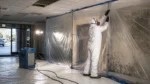
Tenant improvement work encompasses a broad range of construction activities designed to make commercial spaces suitable for specific business operations. Interior demolition typically marks the beginning of most projects, removing outdated finishes, partition walls, and obsolete fixtures to prepare spaces for new configurations. Selective demolition requires careful planning to protect building systems that remain in use while removing elements that no longer serve the tenant’s needs. Following demolition, contractors install new partition walls, flooring systems, ceiling assemblies, and interior finishes that align with the tenant’s design requirements and brand standards. Mechanical, electrical, and plumbing updates form a critical component of tenant improvement work, as most commercial spaces require modifications to HVAC systems, electrical distribution, lighting layouts, and plumbing fixtures to support new occupancy patterns. These infrastructure changes must comply with California Title 24 energy requirements and local building codes, often requiring professional engineering documentation and inspection approval. Paint, flooring, millwork, and specialty finishes complete the transformation, creating professional environments that reflect business identities while meeting functional requirements for daily operations.
Retail Tenant Improvements
Retail tenant improvement projects present unique challenges related to brand identity, customer flow, and operational infrastructure. Store layout design must balance visual merchandising requirements with functional considerations like customer circulation, point-of-sale locations, and inventory management. Retailers often work within established brand guidelines that dictate specific materials, colors, lighting levels, and fixture types, requiring contractors to source approved products and execute installations according to corporate standards. Utility requirements vary significantly depending on retail operations, with restaurants and food service establishments requiring extensive plumbing, gas connections, grease traps, and commercial kitchen equipment installations. Non-food retailers typically need robust electrical systems to support lighting displays, security equipment, and digital point-of-sale systems. According to tenant improvement guidelines, retail spaces generally require higher tenant improvement allowances compared to office spaces due to more extensive customization needs. Storefront modifications, signage installations, and exterior improvements also fall under retail tenant improvement scope, requiring coordination with property management and compliance with shopping center covenants or municipal sign ordinances. Facilities Maintenance & Repairs services help maintain these specialized systems after initial construction completion, ensuring long-term operational reliability.
Office Tenant Improvements
Office tenant improvements focus on creating productive work environments that support collaboration, privacy, and employee well-being. Open office layouts have become increasingly popular, requiring careful attention to acoustics, lighting quality, and flexible furniture systems that allow businesses to reconfigure spaces as needs evolve. Private office configurations still serve important functions for leadership positions, confidential meetings, and focused work requiring concentration. Conference rooms and shared spaces demand specific acoustic treatments, video conferencing infrastructure, and presentation equipment that support modern communication requirements. California building codes, as outlined in official guidance documents, require tenant improvements to address accessibility, life safety, and energy efficiency standards regardless of project scope. Lighting systems must meet Title 24 energy requirements while providing appropriate illumination levels for various tasks. HVAC systems need proper zoning and controls to maintain comfortable temperatures throughout the workday while minimizing energy consumption. Office tenant improvements often include technology infrastructure upgrades, with structured cabling, Wi-Fi access points, and security systems becoming standard requirements for modern workplaces. Data & Communication Services specialists ensure these technology systems integrate seamlessly with overall construction work, supporting business connectivity and security needs.
ADA and Accessibility Compliance
Accessibility compliance represents a fundamental requirement for all commercial tenant improvement projects in California. The Americans with Disabilities Act establishes federal standards that apply throughout the United States, while California Building Code Title 24 often imposes more stringent requirements than federal minimums. Restroom modifications typically include accessible stall configurations, proper clearances, compliant grab bar installations, and accessible fixtures positioned at appropriate heights. Entrance modifications may require door hardware changes, threshold adjustments, and proper signage to ensure accessible pathways into commercial spaces. According to U.S. Access Board guidance, alterations to areas containing primary functions trigger path of travel requirements, obligating property owners to upgrade accessibility features serving those areas. The twenty percent rule limits required path of travel expenditures to no more than twenty percent of total alteration costs, though this cap applies only to path of travel improvements and not to accessibility features within the altered area itself. Common tenant improvement compliance issues include inadequate door clearances, improper counter heights, insufficient maneuvering space, and non-compliant signage. Experienced Commercial Construction contractors help navigate these requirements, coordinating with accessibility consultants when necessary to ensure full compliance while managing project budgets effectively.
Budgeting and Scheduling
Tenant improvement allowances represent negotiated contributions from landlords to cover construction costs, typically expressed as dollar amounts per square foot of leased space. Industry research shows these allowances vary significantly by property type, with retail spaces often receiving higher allowances than office spaces due to more extensive infrastructure requirements. Property location, market conditions, lease duration, and tenant creditworthiness all influence negotiated allowance amounts. Tenants must understand whether quoted allowances cover only hard construction costs or also include soft costs like architectural fees, permitting expenses, and project management. Cushman & Wakefield research indicates that allowances are typically disbursed through reimbursement processes tied to construction milestones, requiring proper documentation and lien releases before funds are released. Project timelines depend on scope complexity, permitting requirements, and coordination with building operations. Simple office reconfigurations might complete within six to eight weeks, while complex retail build-outs involving significant mechanical and electrical work could require three to four months from design approval through final occupancy. Landlord approval processes, utility coordination, and inspection scheduling often represent significant timeline factors. Tenants should budget additional time for design development, permitting, and furniture installation beyond core construction durations. Working with Project Management & Consulting professionals helps control costs and timelines throughout the tenant improvement process.
Frequently Asked Questions
What is considered a tenant improvement?
Tenant improvements include alterations made to commercial lease spaces to accommodate specific business needs. These modifications range from cosmetic updates like paint and flooring to substantial changes involving partition walls, mechanical systems, electrical upgrades, and plumbing installations. California regulations, as detailed in local building department requirements, classify tenant improvements as alterations requiring building permits when they affect structural elements, change occupancy classifications, or modify building systems. Simple maintenance activities like repainting existing walls or replacing carpet generally do not qualify as alterations requiring permits. However, moving partition walls, relocating electrical outlets, or changing lighting layouts typically trigger permitting requirements. The distinction between maintenance and alteration determines whether formal plan review and inspection processes apply to proposed work.
Who pays for tenant improvements?
Responsibility for tenant improvement costs depends on lease negotiations and market conditions. Landlords typically provide tenant improvement allowances to attract quality tenants and maintain competitive properties. These allowances may cover all construction costs for turnkey build-outs or represent partial contributions requiring tenants to fund costs exceeding allowance limits. In competitive markets favoring tenants, landlords often offer generous allowances to secure long-term leases. In markets favoring landlords, tenants may receive minimal allowances or bear full responsibility for improvement costs. Some lease structures provide rent abatement periods instead of cash allowances, allowing tenants to use rental savings for construction expenses. Property condition at lease commencement significantly influences cost allocation, with shell spaces requiring more extensive improvements than second-generation spaces previously occupied by similar businesses. Clear documentation of cost responsibilities prevents disputes and establishes expectations for both parties throughout the improvement process.
Do TI projects require permits?
Most tenant improvement projects require building permits in Modesto and Tracy, though specific requirements depend on project scope and local jurisdiction. Building permits typically cover structural modifications, partition wall installations, and changes affecting life safety systems. Electrical permits apply to new circuits, panel modifications, and lighting installations. Plumbing permits govern fixture installations, water line modifications, and drainage work. Mechanical permits address HVAC system changes, ventilation modifications, and equipment installations. Very minor cosmetic work like painting or carpet replacement may not require permits, but any work affecting building structure, occupancy classification, or utility systems generally needs permit approval. Permit processes verify code compliance, ensure proper documentation, and trigger required inspections at various construction stages. Unpermitted work creates significant risks including fines, project delays, insurance complications, and potential lease violations. Professional contractors handle permit applications, coordinate with building departments, and schedule required inspections to ensure projects remain compliant throughout construction. Contact us for guidance on specific permit requirements for your tenant improvement project.
How long do tenant improvements take?
Tenant improvement project durations vary based on scope complexity, permitting timelines, and construction logistics. Simple office reconfigurations involving partition modifications and cosmetic updates typically complete within four to eight weeks from permit approval through final inspection. More complex projects involving significant mechanical, electrical, or plumbing work may require eight to twelve weeks or longer depending on equipment procurement and coordination requirements. Permitting processes add two to six weeks to overall timelines depending on jurisdiction workload and plan complexity. Projects requiring structural work, occupancy classification changes, or fire suppression system modifications generally take longer due to additional engineering requirements and inspection processes. Retail tenant improvements often extend beyond office project durations due to specialty finishes, equipment installations, and health department approvals for food service operations. Working in occupied buildings may extend timelines due to restricted work hours and phased construction approaches that minimize business disruption. Material availability, contractor scheduling, and utility coordination also influence project durations. Realistic timeline expectations help businesses plan transitions and avoid premature commitments to customers or employees.
Can TI work be done after business hours?
Many tenant improvement projects can accommodate after-hours construction schedules to minimize disruption to adjacent businesses or ongoing operations. Evening and weekend work allows contractors to complete noisy or disruptive activities when buildings have lower occupancy. However, after-hours schedules may increase project costs due to premium labor rates and potentially extended timelines as fewer work hours are available each week. Building access, security protocols, and utility shutdowns require careful coordination with property management when working outside standard business hours. Some construction activities cannot practically occur during occupied hours due to noise, odor, dust, or safety concerns. Demolition work, concrete cutting, welding, and painting with solvent-based products typically require buildings to be unoccupied. Local noise ordinances may restrict construction activities during certain hours regardless of building occupancy. Inspection scheduling also becomes more challenging with after-hours construction as building inspectors typically work standard business hours. Property managers often establish specific rules governing after-hours construction to balance tenant accommodation with building operations. Discussing scheduling flexibility early in planning helps establish realistic expectations and identify potential constraints before construction begins. Request a quote to discuss after-hours construction options for your tenant improvement project.
Conclusion
Tenant improvement projects help businesses customize leased spaces while meeting building codes and accessibility standards throughout Modesto and Tracy. Successful tenant improvement work depends on accurate planning, coordination with property managers, and experienced contractors who understand local regulations and permitting processes. Professional tenant improvement services ensure efficient build-outs that support business operations and long-term occupancy. From initial design through final inspections, Highly Favored Contractors delivers comprehensive tenant improvement solutions that help businesses establish functional, compliant commercial spaces in the Central Valley. Contact our team to discuss your retail or office tenant improvement needs and discover how professional construction services can transform your leased space into a productive business environment.
For more information about tenant improvement services at Highly Favored Contractors, check them out below:
Facilities Maintenance & Repairs
Mechanical, Electrical & Plumbing