Construction cost in Modesto and Tracy is one of the first questions property owners, managers, and business operators ask before starting a project, and it is also one of the hardest to answer with a single number. A driveway, a roof replacement, a tenant build-out, and a kitchen remodel all live under the umbrella of construction, yet each one carries a wildly different price tag. Understanding what shapes those numbers is the difference between a budget that holds and a project that stalls halfway through.
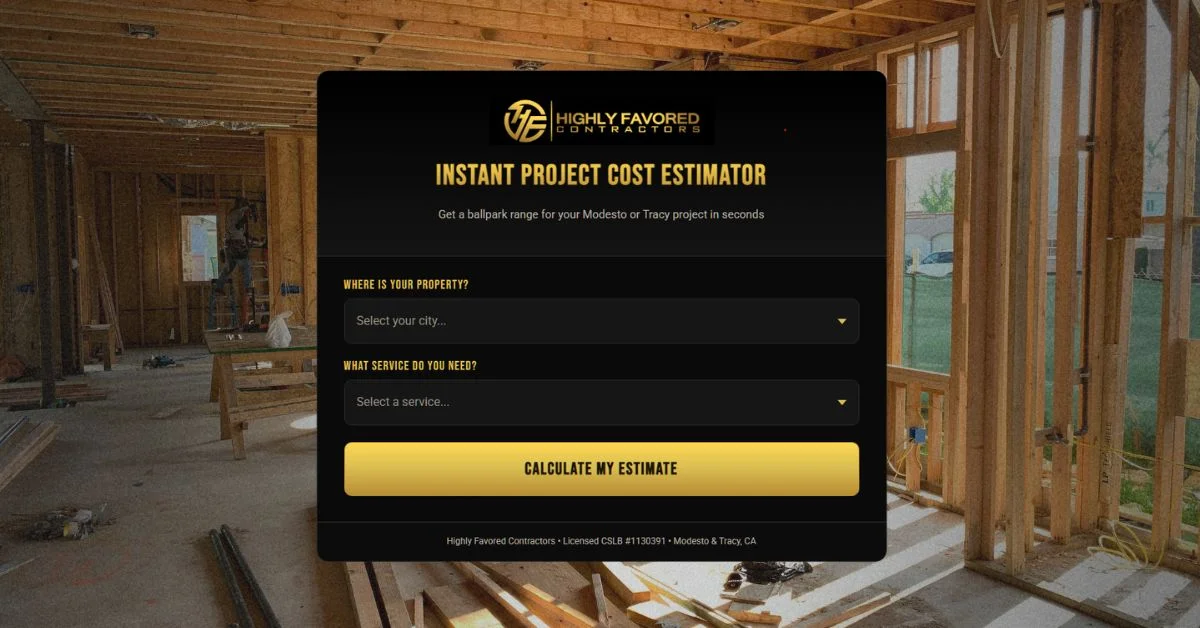
This guide breaks down what construction actually costs across the Central Valley in 2026, why local pricing differs from national averages, and how to get a realistic figure for your own project before you ever pick up the phone. If you want a fast starting point, you can use our construction cost estimator to get a ballpark range for your specific project in seconds.
Why Construction Costs More in California Than the National Average
Most cost guides you find online quote national averages, and those numbers are almost always too low for the Central Valley. California construction runs meaningfully higher than the rest of the country, and the reasons are structural rather than seasonal.
Labor is the largest driver. California has higher prevailing wages, stricter licensing requirements, and a skilled trade shortage that pushes hourly rates well above the national mean. A framing crew, an electrician, or a roofer in Modesto simply costs more than the same crew in much of the country, and that cost flows directly into every estimate.
Materials add another layer. West Coast material pricing tends to run higher because of transport distances, demand, and supply chain pressures that have not fully settled since the disruptions of recent years. Lumber, concrete, roofing membrane, and steel all carry a premium here.
Then there is code. California building codes are among the most demanding in the nation. Title 24 energy requirements, seismic standards, ADA compliance, and permit processes all add real cost to a project. These requirements protect the building and its occupants, but they also mean a compliant project in Modesto or Tracy will price higher than a comparable build in a less regulated market. For a realistic local figure, national calculators will mislead you, which is exactly why a local estimator built on Central Valley pricing gives you a far more useful starting point.
What Different Projects Cost in the Modesto and Tracy Area
Below is a practical look at typical price ranges for common project types across the Central Valley. These are general market ranges meant to orient your budgeting, not quotes. Every project is shaped by size, materials, site conditions, and scope, and your exact figure is confirmed only after an on-site assessment.
Concrete and Asphalt Work
Concrete and paving are priced largely by the square foot, which makes them easier to estimate early. A standard concrete driveway typically runs between $8 and $18 per square foot depending on thickness, finish, and site prep. Asphalt paving usually falls lower, in the $5 to $12 per square foot range, while stamped or decorative concrete commands a premium, often $12 to $22 per square foot because of the added labor and finishing work.
Site conditions move these numbers more than people expect. Poor drainage, the need for grading, removal of old material, and difficult access can all add meaningfully to the base rate.
Roofing
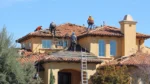
Roofing cost depends heavily on the material and the building type. Commercial flat or TPO roofing typically prices between $7 and $16 per square foot, while tile and metal roofing run higher because of material cost and installation complexity, often reaching $25 to $30 per square foot at the upper end. Shingle roofing sits lower, and a targeted roof repair is far less than a full replacement.
Because roofing has such a wide range, it is one of the project types where a quick estimate genuinely helps you understand whether you are budgeting for a repair, a section, or a full system.
Commercial Construction and Tenant Improvements
Commercial work spans an enormous range. A tenant improvement or build-out commonly prices between $75 and $250 per square foot depending on how much of the space is being reworked, the trades involved, and the finish level. Ground-up commercial construction varies even more by building type. A warehouse or industrial shell sits at the lower end per square foot, while medical, office, and specialized buildings climb significantly higher because of the systems, finishes, and code requirements they demand.
For commercial projects, the cost conversation is really a scope conversation. The same square footage can price very differently depending on whether you are refreshing a space or fully transforming it.
Residential Remodeling and Additions
Remodeling is where homeowners feel the biggest spread. A kitchen remodel in the Central Valley commonly ranges from $25,000 to $75,000, driven by cabinetry, countertops, appliances, and whether layout or plumbing changes are involved. A bathroom remodel typically runs $10,000 to $35,000. Home additions, which involve foundation, framing, roofing, and full systems, often range from $30,000 to $120,000 or more depending on size and complexity. ADU construction, increasingly popular across California, generally starts well into six figures because it is effectively building a small home.
Restoration and Repairs
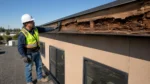
Damage-driven work is the hardest to estimate from the outside because the price depends entirely on the extent of the damage. Dry rot repair, mold remediation, water damage, and fire restoration can range from a modest few hundred dollars for a contained issue to tens of thousands for severe, widespread damage. Structural repairs follow the same pattern, scaling from minor localized fixes to major load-bearing work.
For these projects, an estimate is a starting point only. The real figure comes after a professional assesses what is behind the walls.
What Moves Your Price Within the Range
Knowing the range is useful, but the more important skill is understanding what pushes your specific project toward the low end or the high end. Four factors do most of the work.
Project size and scope set the foundation. Larger projects cost more overall, but they often carry a lower per-unit rate because of efficiencies of scale. How much of the structure the work touches matters just as much as raw square footage.
Material and finish choices can swing a budget dramatically. Standard finishes price very differently from premium ones, and specialized materials in roofing, concrete, or structural work change the range entirely. This is often where owners have the most control over their final cost.
Site conditions and access quietly add cost. Difficult access, existing damage, grading needs, and structural complications all add labor and time. Older buildings and tight commercial sites frequently require extra preparation that does not show up in a simple per-square-foot estimate.
Permits and code compliance round it out. California building codes, Title 24, ADA standards, and permit fees affect most projects. Licensed, code-compliant work protects the property and the owner, and it is always factored into a real quote.
Why an Instant Estimate Is the Smart First Step
Calling for a quote on every idea you are considering is slow, and it commits a contractor to a site visit before you even know if the project fits your budget. An instant estimate solves that. It gives you a realistic range in seconds so you can plan, compare options, and decide what is worth pursuing before anyone schedules an assessment.
The goal is not to replace a professional quote. It is to get you to the quote stage already informed. When you know roughly what a project costs, the conversation with a contractor becomes sharper and faster, and you avoid the frustration of falling in love with a plan that was never realistic for your budget.
Our construction cost estimator for Modesto and Tracy is built on local Central Valley pricing. You select your city, choose your service, add a few project details, and get an instant low-to-high range with no obligation. It takes seconds and gives you a far more accurate picture than any national calculator.
From Estimate to Accurate Quote
Once you have a ballpark figure and you are ready for a precise number, the next step is a free on-site assessment. A licensed contractor reviews the real conditions of your property, accounts for materials, access, permits, and scope, and produces a quote that reflects your exact project rather than a general range.
This is where local experience matters most. A contractor familiar with Central Valley codes, permits, and conditions can price accurately, anticipate the surprises that drive up cost on unfamiliar projects, and keep your budget grounded in the real local market. Working with a CSLB licensed general contractor also means the work meets California building codes, passes inspection, and protects you from liability.
Start With a Number, Not a Guess
Construction cost in Modesto and Tracy does not have to be a mystery you only solve after weeks of phone calls. Start with a realistic range, understand what moves your price, and then bring a professional in to confirm the details. That sequence saves time, protects your budget, and turns a vague idea into a fundable plan.
The fastest way to begin is to run your project through the estimator and see your ballpark range in seconds. When you are ready for an exact figure, request a quote or free consultation by filling our form, and a licensed local team will take it from there.