Preventative maintenance programs reduce unexpected repair costs and extend building system lifespans by delivering scheduled inspections, servicing, and minor repairs before failures occur. Programs range from basic HVAC filter change schedules to comprehensive facility-wide maintenance plans covering all building systems. Property owners and facility managers use preventative maintenance programs when managing operating budgets, protecting equipment investments, and maintaining tenant satisfaction. Services include scheduled inspections, system servicing, filter replacements, lubrication, testing, and minor adjustments. Licensed contractors develop customized programs, coordinate service schedules, and provide detailed maintenance documentation throughout preventative maintenance contracts.
Let’s get your project quote started.

HVAC preventative maintenance programs provide scheduled seasonal tune-ups, filter replacements, coil cleanings, belt inspections, refrigerant checks, and safety testing extending equipment life and maintaining energy efficiency. Programs prevent system failures during peak heating and cooling seasons throughout commercial and residential properties.
Services include spring cooling season preparations, fall heating season tune-ups, monthly filter inspections, condensate drain flushes, and thermostat calibrations. Contractors document all service activities, identify developing problems early, and provide equipment condition reports throughout HVAC preventative maintenance programs.
Plumbing preventative maintenance programs provide scheduled inspections of water heaters, supply lines, drain systems, fixtures, and shutoff valves identifying deterioration before failures cause water damage. Programs address aging plumbing systems in commercial and residential properties throughout Central Valley communities.
Services include water heater flushing removing sediment buildup, inspecting supply lines for corrosion, testing pressure relief valves, checking drain flow rates, and lubricating valve stems. Contractors document plumbing conditions, recommend repairs, and schedule follow-up services throughout plumbing maintenance programs.

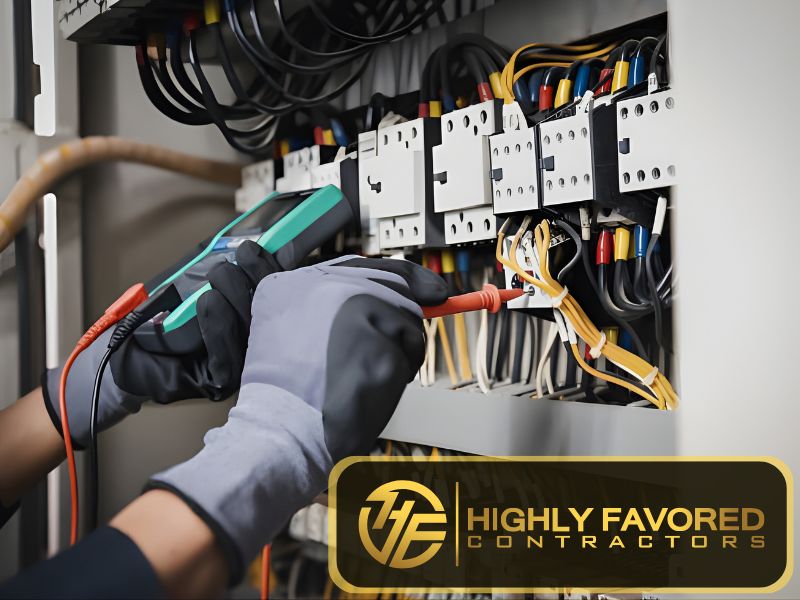
Electrical preventative maintenance programs provide scheduled panel inspections, connection tightening, load testing, lighting system servicing, and safety device testing reducing electrical failure risks. Programs identify hazardous conditions before they cause equipment damage, fires, or power outages throughout commercial properties.
Services include thermal imaging scans identifying hot connections, testing ground fault devices, inspecting panel interiors, checking circuit loads, and replacing aging components. Contractors document electrical conditions, prioritize repairs, and maintain service records throughout electrical preventative maintenance programs.
Building envelope maintenance programs provide scheduled roof inspections, caulking replacements, window seal inspections, exterior wall assessments, and drainage system reviews preventing water infiltration. Programs protect building interiors from moisture damage throughout commercial and residential properties in Central Valley climates.
Services include post-storm roof inspections, gutter cleaning, resealing penetrations, inspecting window and door weatherstripping, and assessing exterior coating conditions. Contractors document findings, complete minor repairs during inspections, and recommend larger maintenance projects throughout building envelope programs.
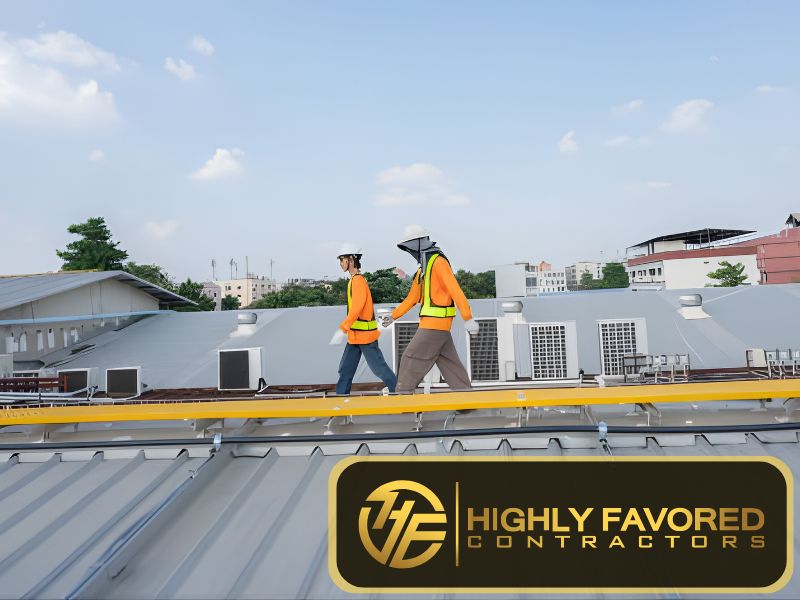

Comprehensive facility programs combine all building system maintenance services under single management contracts providing coordinated scheduling, unified reporting, and consistent service quality. Programs simplify maintenance management for property owners and managers overseeing multiple building systems throughout commercial facilities.
Programs include developing master maintenance calendars, coordinating all service vendors, tracking equipment warranties, managing service documentation, and providing monthly performance reports. Contractors serve as single points of contact managing all preventative maintenance activities throughout comprehensive facility programs.
Preventative maintenance program processes include facility assessments, program development, schedule creation, service delivery, documentation, and reporting ensuring building systems receive consistent care throughout annual maintenance cycles.
Program development begins with comprehensive facility assessments inventorying all building equipment, systems, and components. Contractors document equipment ages, conditions, service histories, and manufacturer maintenance requirements. Assessments identify immediate deficiencies requiring repair before initiating maintenance programs, establish baseline conditions, and provide information needed for accurate program pricing throughout commercial facilities.
Program design includes establishing maintenance frequencies for each system, developing annual service calendars, identifying required vendors, and preparing program cost proposals. Contractors incorporate manufacturer recommendations, warranty requirements, and code-mandated inspection frequencies. Detailed programs outline all planned services, visit frequencies, and included materials throughout preventative maintenance program development.
Program initiation includes completing baseline servicing addressing any immediate deficiencies, establishing equipment documentation, and beginning scheduled maintenance cycles. Contractors perform initial comprehensive servicing of all included systems, photograph equipment conditions, and create equipment files. Baseline servicing ensures all systems receive fresh starts before ongoing scheduled maintenance throughout program launches.
Ongoing maintenance includes completing scheduled service visits, performing all program-specified tasks, documenting service activities, and identifying developing problems. Contractors arrive on schedule, complete thorough service checklists, note equipment condition changes, and communicate findings to property owners. Consistent service delivery maintains equipment in optimal conditions throughout preventative maintenance program cycles.
Program management includes providing regular service reports, tracking maintenance expenses, reviewing equipment performance trends, and recommending program adjustments. Contractors identify recurring problems, forecast upcoming capital replacements, and suggest efficiency improvements. Annual program reviews ensure maintenance activities remain aligned with building needs and ownership goals throughout preventative maintenance contracts.

Structured preventative maintenance processes ensure building systems receive consistent care reducing failures and costs. Contractors develop programs, coordinate services, and provide documentation throughout maintenance contracts.
Preventative maintenance consistently costs thirty to forty percent less than reactive repair approaches over time. Regular servicing prevents minor issues from becoming major failures requiring expensive emergency repairs. Equipment maintained properly lasts significantly longer reducing capital replacement frequency. These savings provide substantial financial benefits throughout commercial and residential property ownership.
Properly maintained HVAC systems, plumbing fixtures, and electrical components last five to ten years longer than neglected equivalents. Regular lubrication prevents bearing failures, filter changes prevent motor overloads, and coil cleaning maintains heat transfer efficiency. Extended equipment life delays capital replacement costs providing significant financial benefits throughout property ownership cycles.
Well-maintained building systems operate at designed efficiency levels consuming less energy than neglected equipment. Clean HVAC coils transfer heat efficiently, properly inflated belts prevent energy waste, and sealed building envelopes reduce heating and cooling loads. Maintained systems provide ongoing utility cost reductions throughout commercial and residential property operations.
Preventative maintenance programs convert unpredictable emergency repair expenses into planned, budgetable costs. Annual program fees enable accurate budget forecasting replacing surprise repair invoices. Predictable maintenance costs simplify financial planning for property owners, support accurate operating expense projections, and improve cash flow management throughout commercial property operations.
Equipment manufacturers require documented maintenance for warranty coverage. Preventative maintenance programs provide service records proving compliance with maintenance requirements supporting warranty claims when equipment fails prematurely. Documented maintenance histories also support insurance claims, demonstrate due diligence, and provide value during property sales throughout commercial and residential properties.
Preventative maintenance programs provide measurable benefits including reduced repair costs, extended equipment life, improved energy efficiency, and budget predictability. These advantages apply to commercial and residential properties throughout Central Valley communities.
Preventative maintenance benefits extend beyond equipment care providing cost savings, budget predictability, and documentation. These advantages make structured maintenance programs valuable investments throughout commercial and residential properties.
Preventative maintenance program services cover commercial and residential properties throughout Central Valley communities. Service area extends approximately fifty kilometers from central Modesto providing consistent scheduled maintenance services.
Downtown Modesto, Salida, Empire, Bret Harte, Airport District, Shackelford, Bystrom, Riverdale Park, East Modesto, College Area, Village One, Enslen, Rose Lane, Dry Creek, La Loma, Coffee-Sylvan, Staniford, Prescott, and surrounding neighborhoods.
Ceres, Turlock, Riverbank, Oakdale, Patterson, Hughson, Waterford, Keyes, Denair, Newman, Grayson.
Downtown Tracy, Glenbriar Estates, Redbridge, Edgewood, Hidden Lake, Tracy Hills, Jefferson School District, Lammersville, Ellis, Banta, Mountain House.
Manteca, Lathrop, Ripon, select Stockton areas, Atwater, Merced, Escalon, Lodi (by request), Livermore, Brentwood, and surrounding communities within service radius.
Contact contractors to confirm service availability for specific locations and discuss preventative maintenance program requirements throughout Central Valley commercial and residential properties.
Property owners and managers commonly ask similar questions about program costs, coverage, and benefits. These answers address frequent inquiries from commercial and residential maintenance clients.

Preventative maintenance program costs depend on building size, system complexity, and service scope. Basic HVAC maintenance programs for single commercial units start around one thousand to two thousand dollars annually. Comprehensive facility programs covering all systems for larger buildings range from five thousand to twenty thousand dollars or more annually depending on included services.
Priority systems for preventative maintenance include HVAC equipment, plumbing systems, electrical panels, roof and building envelope components, and life safety systems. Secondary priorities include lighting systems, doors and hardware, parking areas, and landscaping irrigation. Program scope depends on building type, system ages, and ownership priorities throughout commercial and residential properties.
Service frequencies vary by system type. HVAC systems require quarterly to semi-annual service. Plumbing systems benefit from annual inspections. Electrical panels should receive annual thermal imaging. Roofs require post-storm inspections and annual assessments. Life safety systems including fire extinguishers and emergency lighting follow code-mandated inspection frequencies throughout commercial buildings.

Studies consistently show preventative maintenance returns three to five dollars for every dollar invested through reduced repair costs, extended equipment life, and improved energy efficiency. Emergency repair costs typically exceed planned maintenance costs by three to four times for equivalent work. Preventative programs provide clear financial returns throughout commercial and residential property ownership.
Maintenance programs are developed specifically for individual properties based on building age, system types, equipment conditions, and ownership priorities. Programs can emphasize specific systems, adjust service frequencies based on equipment conditions, and scale services to match available budgets. Custom programs ensure maintenance efforts address actual property needs throughout commercial facilities.
Maintenance programs provide service reports for each visit documenting completed tasks, equipment conditions, and identified issues. Annual summaries track all maintenance activities, expenses, and equipment changes. Equipment files maintain service histories supporting warranty claims. Documentation packages provide comprehensive building records valuable for property management, insurance claims, and property sales throughout facilities.
Preventative maintenance questions vary by property type and system complexity. Contractors provide specific program recommendations addressing individual maintenance needs throughout Central Valley properties.
Preventative maintenance programs throughout Modesto, Tracy, and Central Valley communities provide HVAC servicing, plumbing inspections, electrical maintenance, building envelope assessments, and comprehensive facility programs. Licensed contractors develop customized schedules, coordinate service delivery, and provide detailed documentation throughout preventative maintenance contracts for commercial and residential properties.
Contact Highly Favored Contractors for preventative maintenance consultations, facility assessments, and program proposals. Contractors evaluate building systems, discuss service requirements, and develop customized maintenance programs. Call (833) 209-8890 to schedule consultations for preventative maintenance programs throughout Modesto and Tracy.
