Retaining wall services control erosion and create usable space by constructing engineered structures holding soil on sloped properties. Projects range from small garden walls to major hillside stabilization requiring engineering solutions. Property owners use retaining wall services when addressing erosion problems, creating level yard areas, or stabilizing slopes. Services include block wall construction, poured concrete walls, timber walls, drainage installations, and structural engineering coordination. Licensed contractors coordinate soil assessments, proper drainage design, and code-compliant construction throughout retaining wall projects creating stable, attractive landscape features.
Let’s get your project quote started.

Block retaining wall construction provides modular segmental walls using interlocking concrete blocks creating attractive, durable slope retention. Block walls offer design flexibility, straightforward installation, and cost-effective solutions throughout residential and commercial landscape projects.
Block construction includes excavating base areas, compacting aggregate bases, installing geogrid reinforcement when required, setting blocks level, backfilling with drainage materials, and capping walls. Contractors ensure proper setbacks and complete engineered installations throughout block wall projects.
Poured concrete retaining walls provide permanent engineered structures for significant height retention and heavy load applications. Concrete walls offer maximum strength, design flexibility, and long-term durability throughout properties requiring substantial slope stabilization.
Concrete construction includes excavating footings, forming walls, installing steel reinforcement, pouring concrete, installing drainage systems, waterproofing, and applying finishes. Contractors coordinate engineering specifications and complete code-compliant installations throughout poured concrete wall projects.


Timber retaining walls provide natural-looking slope retention using pressure-treated timbers or railroad ties. Timber walls offer rustic aesthetics, moderate costs, and straightforward construction throughout residential landscape projects requiring shorter wall heights.
Timber construction includes excavating base trenches, installing gravel bases, stacking timbers with proper setbacks, drilling and installing tie-backs, backfilling with drainage materials, and installing drainage pipes. Contractors ensure stability throughout timber wall installations.
Drainage system installations provide critical water management preventing hydrostatic pressure behind retaining walls. Proper drainage extends wall life, prevents failures, and maintains structural stability throughout all retaining wall types.
Drainage work includes installing perforated drain pipes behind walls, placing gravel drainage zones, connecting to outlet points, and ensuring proper grades. Contractors design adequate drainage capacities preventing water buildup throughout retaining wall drainage system installations.

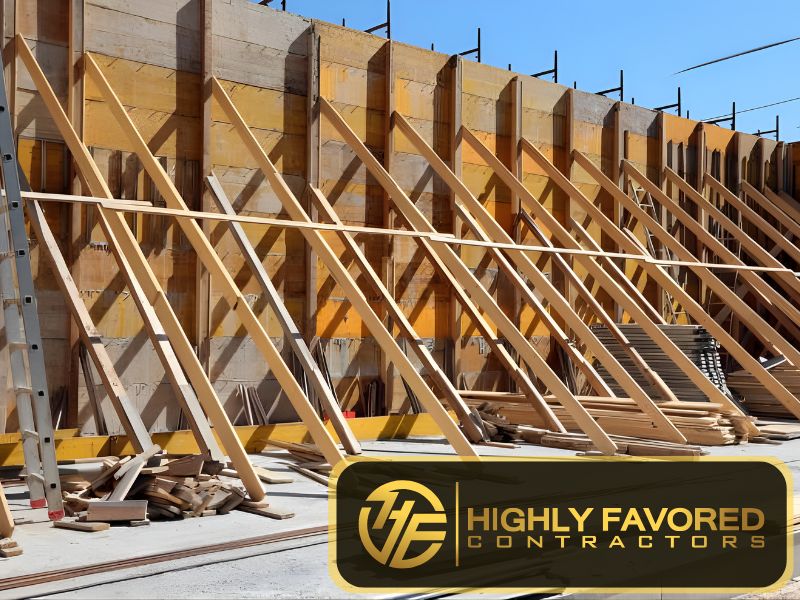
Engineered retaining walls address significant heights, poor soil conditions, or heavy surcharge loads requiring structural engineering solutions. Engineering ensures safety, provides permit documentation, and delivers reliable performance throughout complex retaining wall applications.
Engineering work includes soil testing, structural calculations, design specifications, geogrid reinforcement layouts, and stamped construction plans. Contractors coordinate engineering, obtain permits, and complete installations following engineered designs throughout complex retaining wall projects.
Retaining wall processes include site assessments, engineering evaluations, design development, permit applications, excavation work, wall construction, drainage installations, and backfilling ensuring structures meet structural requirements throughout residential and commercial projects.
Retaining wall projects begin with evaluating slope conditions, measuring height requirements, assessing soil types, and identifying drainage issues. Contractors examine existing erosion, note groundwater presence, and measure slope angles. Site assessments determine engineering requirements, establish realistic budgets, and identify potential complications throughout retaining wall planning.
Walls exceeding four feet typically require structural engineering providing calculations, reinforcement specifications, and drainage designs. Engineers evaluate soil bearing capacities, calculate lateral pressures, and design adequate wall sections. Engineering involvement ensures safety, supports permit approvals, and provides construction guidance throughout significant retaining wall projects.
Retaining walls often require building permits ensuring structural adequacy and safety compliance. Contractors submit permit applications including engineering plans when required, coordinate plan reviews, and obtain approvals. Permit processes verify proper designs and protect property values throughout residential and commercial retaining wall projects.
Construction begins with excavating wall footprints, removing unsuitable soil, compacting base areas, and installing drainage pipes. Contractors ensure proper base depths, verify level conditions, and prepare foundations supporting wall structures. Adequate base preparation prevents settling and ensures long-term stability throughout retaining wall construction.
Wall building includes constructing foundations, building wall structures following designs, installing drainage systems, backfilling with proper materials, and compacting fill. Contractors ensure proper construction techniques, verify drainage function, and complete installations meeting engineering specifications. Quality construction delivers reliable slope retention throughout retaining wall projects.

Structured retaining wall processes ensure stable structures meeting engineering standards. Contractors coordinate engineering, manage permits, and complete quality construction throughout retaining wall projects.

Retaining walls prevent soil erosion protecting properties from slope failures and sediment loss. Stabilized slopes prevent property damage, protect structures, and maintain landscape integrity. Erosion control preserves property investments and prevents progressive deterioration throughout sloped properties.
Retaining walls transform sloped yards into level usable spaces supporting patios, lawns, gardens, and outdoor living areas. Additional flat space increases property functionality, supports landscaping options, and expands recreational areas. Created spaces provide tangible lifestyle benefits throughout residential properties.
Properly designed retaining walls protect homes, driveways, and improvements from soil movement and erosion damage. Structural protection prevents foundation problems, maintains access routes, and preserves property features. Protective benefits justify retaining wall investments throughout properties with slope-related risks.
Quality retaining walls enhance property appearances, demonstrate proper site management, and increase market values. Attractive walls using quality materials create positive impressions and provide functional benefits buyers appreciate. Well-designed installations differentiate properties throughout real estate markets.
Professionally constructed retaining walls with proper drainage last decades requiring minimal ongoing maintenance. Quality construction prevents failures necessitating costly rebuilds. Durable installations protect investments and maintain functionality throughout property ownership.
Professional retaining wall construction provides measurable benefits including erosion control, usable space creation, property protection, and increased values. These advantages apply to residential and commercial properties throughout Central Valley communities.
Retaining wall benefits extend beyond slope control providing usable space, property protection, and value increases. These advantages make professional retaining walls sound investments throughout properties.
Retaining wall services cover residential and commercial properties throughout Central Valley communities. Service area extends approximately fifty kilometers from central Modesto providing accessible retaining wall construction services.
Downtown Modesto, Salida, Empire, Bret Harte, Airport District, Shackelford, Bystrom, Riverdale Park, East Modesto, College Area, Village One, Enslen, Rose Lane, Dry Creek, La Loma, Coffee-Sylvan, Staniford, Prescott, and surrounding neighborhoods.
Ceres, Turlock, Riverbank, Oakdale, Patterson, Hughson, Waterford, Keyes, Denair, Newman, Grayson.
Downtown Tracy, Glenbriar Estates, Redbridge, Edgewood, Hidden Lake, Tracy Hills, Jefferson School District, Lammersville, Ellis, Banta, Mountain House.
Manteca, Lathrop, Ripon, select Stockton areas, Atwater, Merced, Escalon, Lodi (by request), Livermore, Brentwood, and surrounding communities within service radius.

Contact contractors to confirm service availability for specific locations and discuss retaining wall requirements throughout Central Valley residential and commercial properties.
Property owners planning retaining walls commonly ask similar questions about costs, engineering requirements, and construction processes. These answers address frequent inquiries from residential and commercial customers.
Retaining wall costs range from twenty to one hundred dollars per square foot depending on materials, height, and engineering requirements. Block walls cost twenty to forty dollars per square foot. Poured concrete walls cost forty to eighty dollars. Timber walls cost fifteen to thirty dollars. Engineering fees add one thousand to five thousand dollars for taller walls.
Retaining walls exceeding four feet typically require structural engineering providing calculations and construction specifications. Some jurisdictions require engineering for walls over three feet. Engineers evaluate soil conditions, design adequate wall sections, and specify drainage requirements. Engineering ensures safety and supports permit approvals throughout retaining wall projects.
Retaining wall lifespan depends on materials and construction quality. Properly built concrete block walls last forty to one hundred years. Poured concrete walls last fifty years or longer. Timber walls last fifteen to twenty-five years depending on wood treatment. Adequate drainage significantly extends all retaining wall lifespans throughout properties.

Retaining wall failures result from inadequate drainage causing hydrostatic pressure, insufficient foundations, poor soil compaction, lack of reinforcement, or improper construction. Water buildup behind walls creates pressure exceeding design capacities. Professional construction with proper drainage prevents most failures throughout retaining wall installations.
Simple garden walls under three feet are suitable for experienced homeowners. Taller walls and engineered structures require professional contractors ensuring safety and code compliance. Improper construction risks failures causing property damage and liability. Professional installation provides engineering, permits, and warranty protection throughout significant retaining wall projects.
Drainage is critical for retaining wall longevity and stability. Without adequate drainage, water accumulates behind walls creating hydrostatic pressure causing failures. Proper drainage systems include perforated pipes, gravel zones, and outlet connections. All professional retaining walls incorporate drainage preventing water-related failures throughout installations.

Retaining wall questions vary by site conditions and project requirements. Contractors provide specific assessments addressing individual retaining wall needs throughout properties.
Retaining wall services throughout Modesto, Tracy, and Central Valley communities provide block wall construction, poured concrete walls, timber installations, drainage systems, and engineered solutions. Licensed contractors coordinate engineering evaluations, permit applications, and professional construction throughout retaining wall projects creating stable slope retention for residential and commercial properties.
Contact Highly Favored Contractors for retaining wall consultations, site assessments, and project estimates. Contractors evaluate slopes, discuss design options, and provide detailed cost proposals. Call (833) 209-8890 to schedule consultations for retaining wall services throughout Modesto and Tracy.
